Installation and Configuration Manual — KEBA KeContact P40 / P40 Pro
1. Introduction
1.1. Legal provisions
The information contained in these documents is the property of FENECON GmbH. Publication, in whole or in part, requires the written consent of FENECON GmbH.
Subject to changes and printing errors!
1.2. Qualification of the installing electrician
A qualified electrician is a person who has the necessary experience and training:
-
Setting up, switching on, switching off, disconnecting, short-circuiting and repairing circuits and devices
-
Standard maintenance and use of protective devices in accordance with current safety standards
-
First aid/emergency care
-
Current knowledge of local regulations, standards and guidelines
2. Product description
The FEMS App KEBA KeContact communicates with the FENECON Energy Management System via Modbus TCP/IP.
|
Please note that Modbus TCP/IP requires software version 1.2.0 or later. |
|
At the following KEBA Downloads & Updates eMobility website , you’ll find all software updates for the KEBA KeContact P40 / P40 Pro. |
3. Commissioning

|
To install the KEBA charging station, please follow the instructions in the "KeContact P40 / P40 Pro Charging Station Installation Manual." |
|
This quick guide refers to the original user manuals. |
Install the KEBA KeContact P40 / P40 Pro charging station according to the KEBA GmbH installation instructions.
|
Please note that the site conditions of KEBA GmbH apply. |
Follow the instructions for the power supply for the KEBA KeContact P40 / P40 Pro charging station.
3.1. Ethernet connection
The KEBA KeContact P40 / P40 Pro series connects to the FENECON Energy Management System via the customer’s network using the LAN network interface (RJ45). Please follow the steps below.
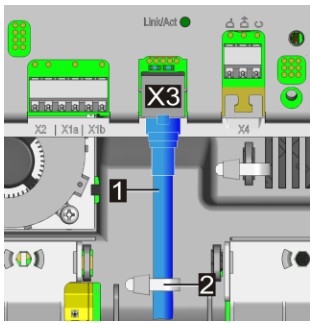
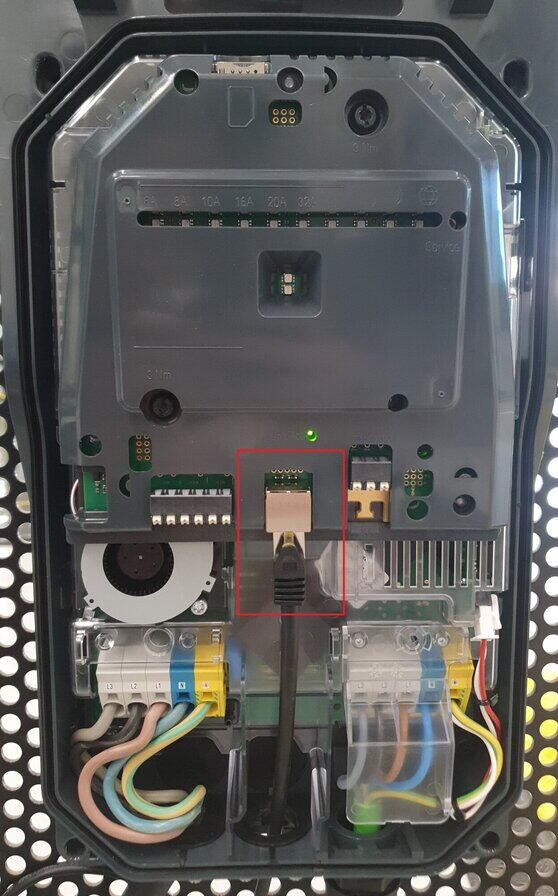
Connect the RJ45 plug to the LAN network connection X3 provided on the KEBA KeContact P40.
|
In a network, IP addresses are typically assigned automatically via DHCP. In many cases, this is handled by the internet router, e. g. a router such as a FRITZ!Box. This can result in a loss of communication between FEMS and the charging station. To prevent this, a static IP address can be assigned. |
3.2. Assigning an IP address via DHCP
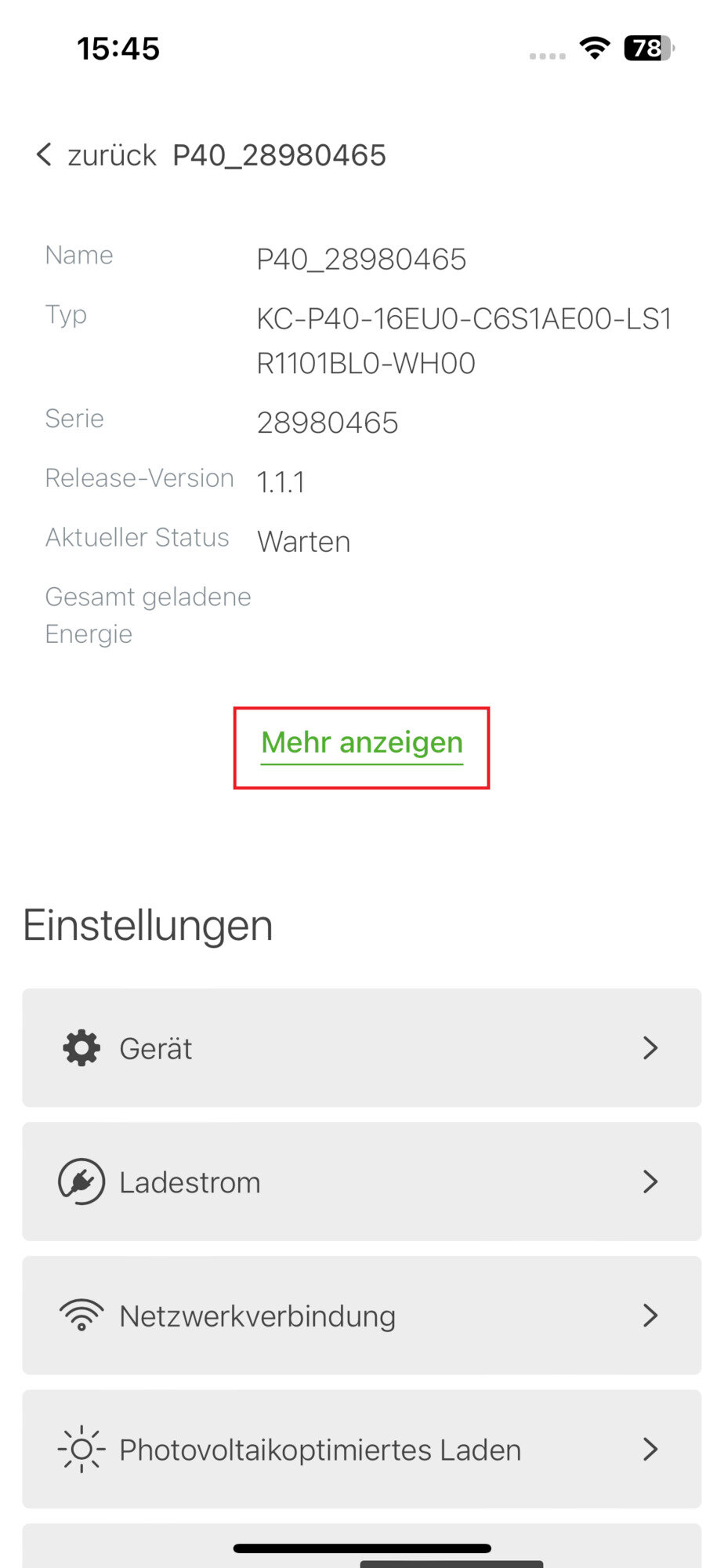
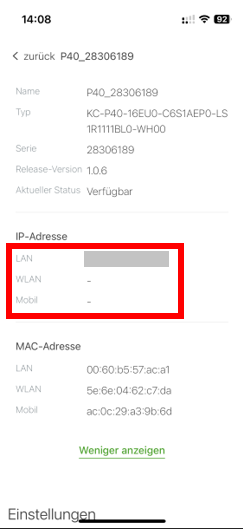
Once connected to the customer’s network, the KEBA KeContact P40 / P40 Pro is assigned an IP address via DHCP. This IP address can be found in the DHCP server, e. g. the router. Alternatively, the IP address of your KEBA KeContact P40 / P40 Pro can be retrieved via the KEBA eMobility App.
4. Configuration
|
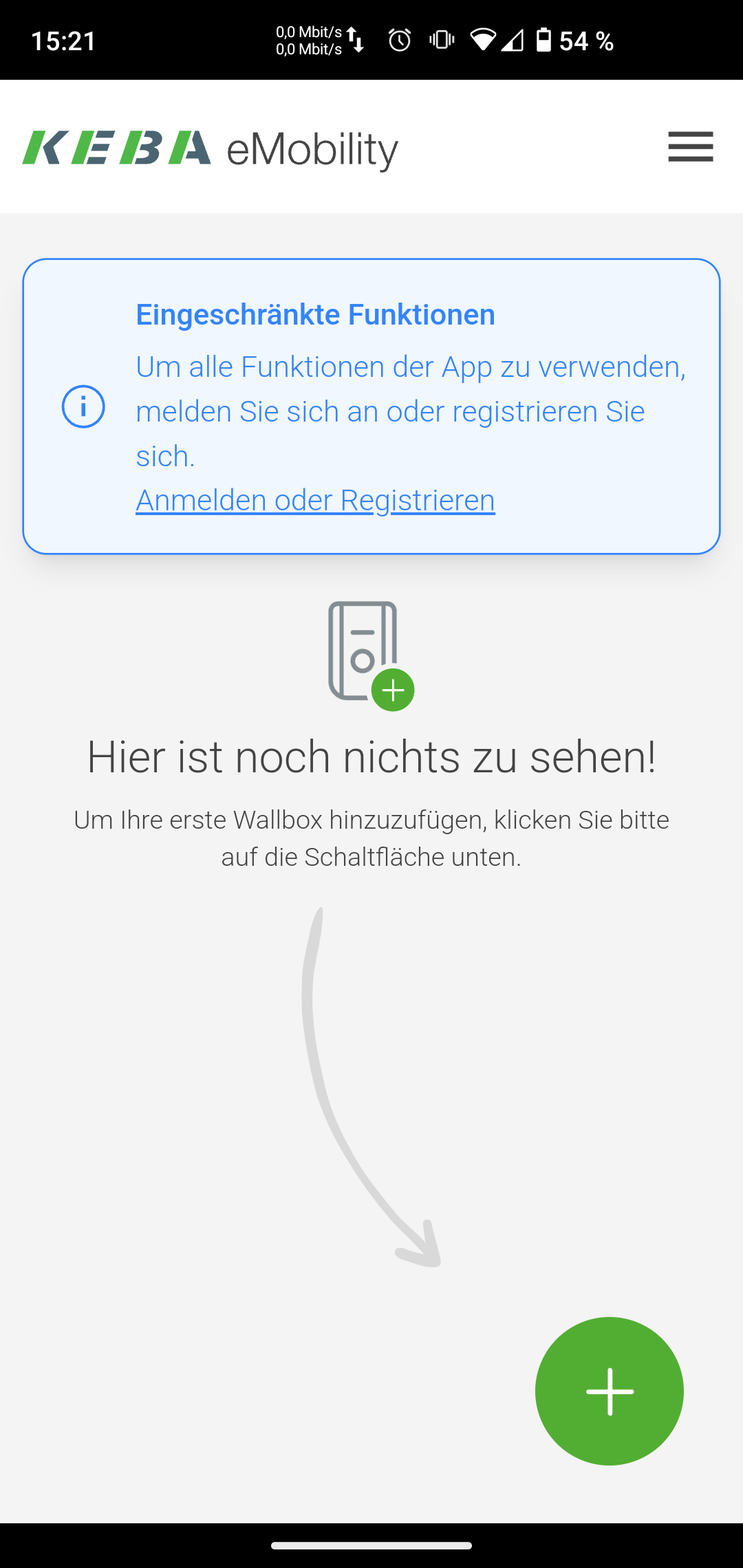
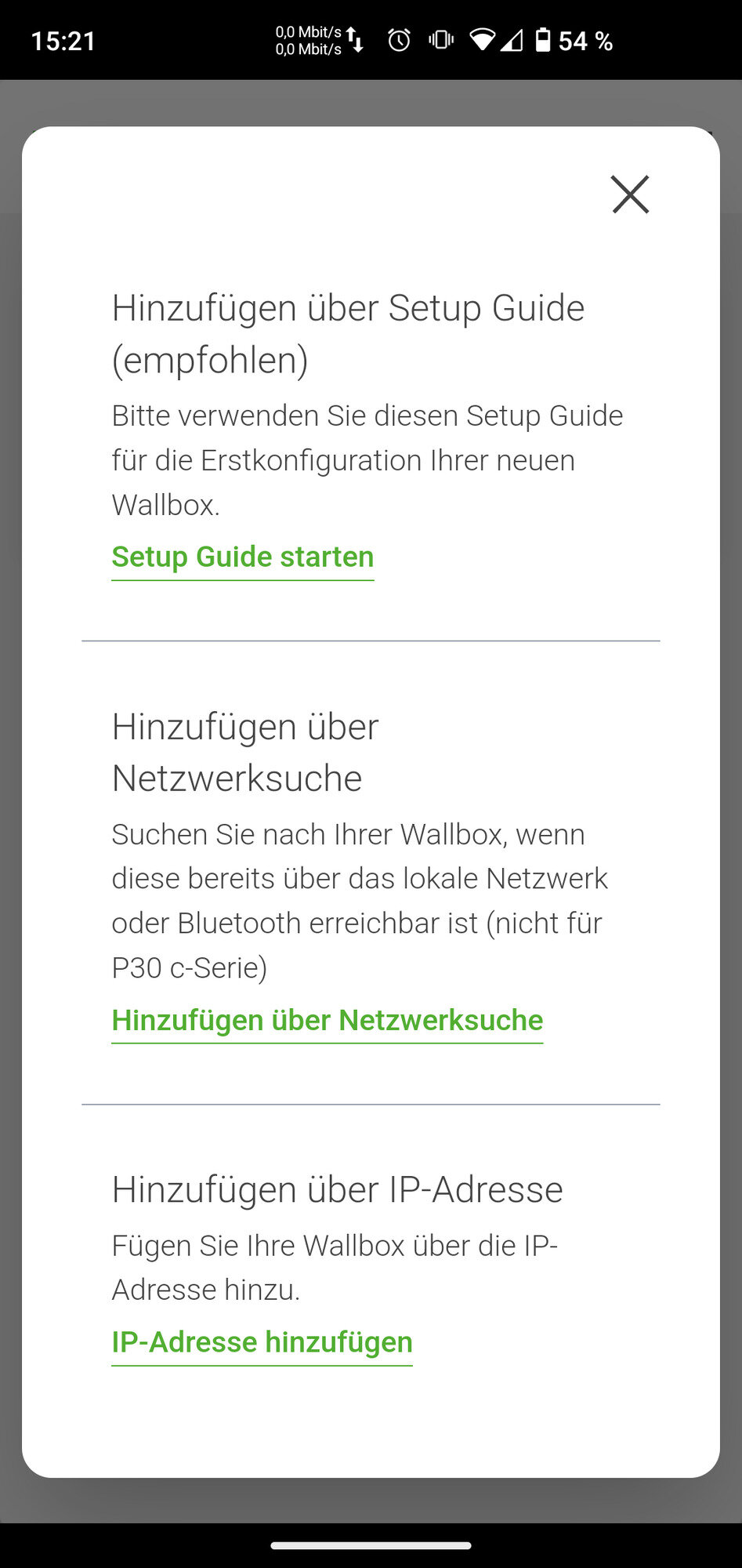
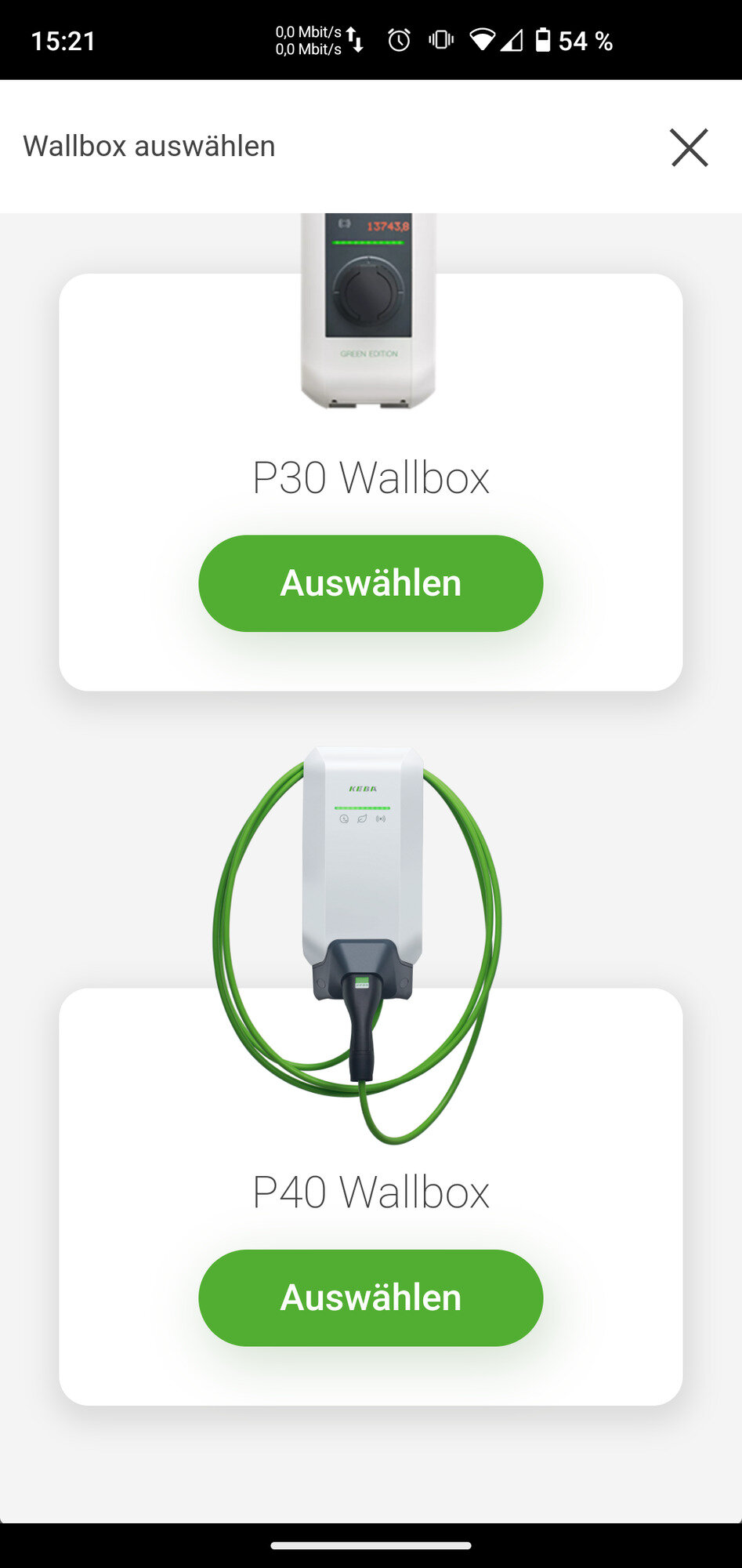
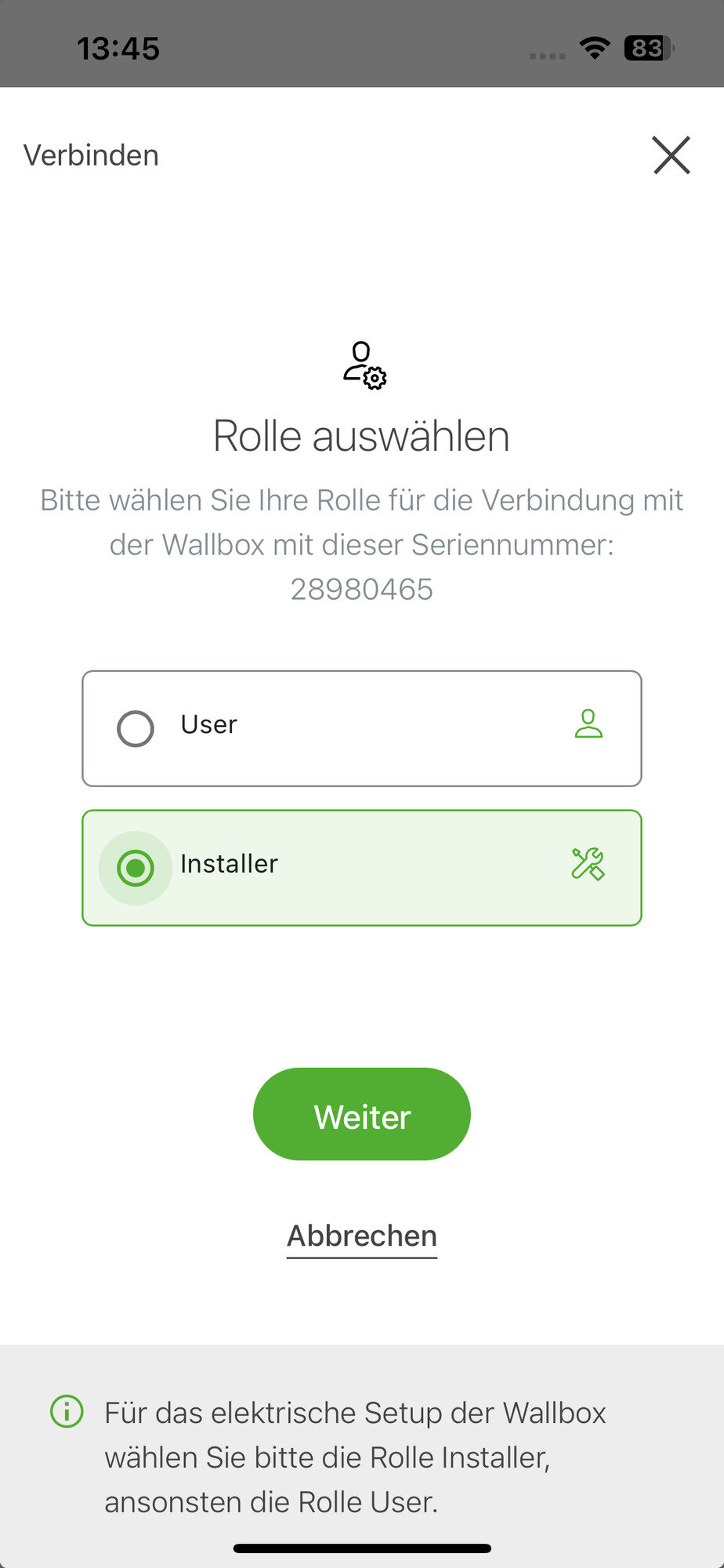
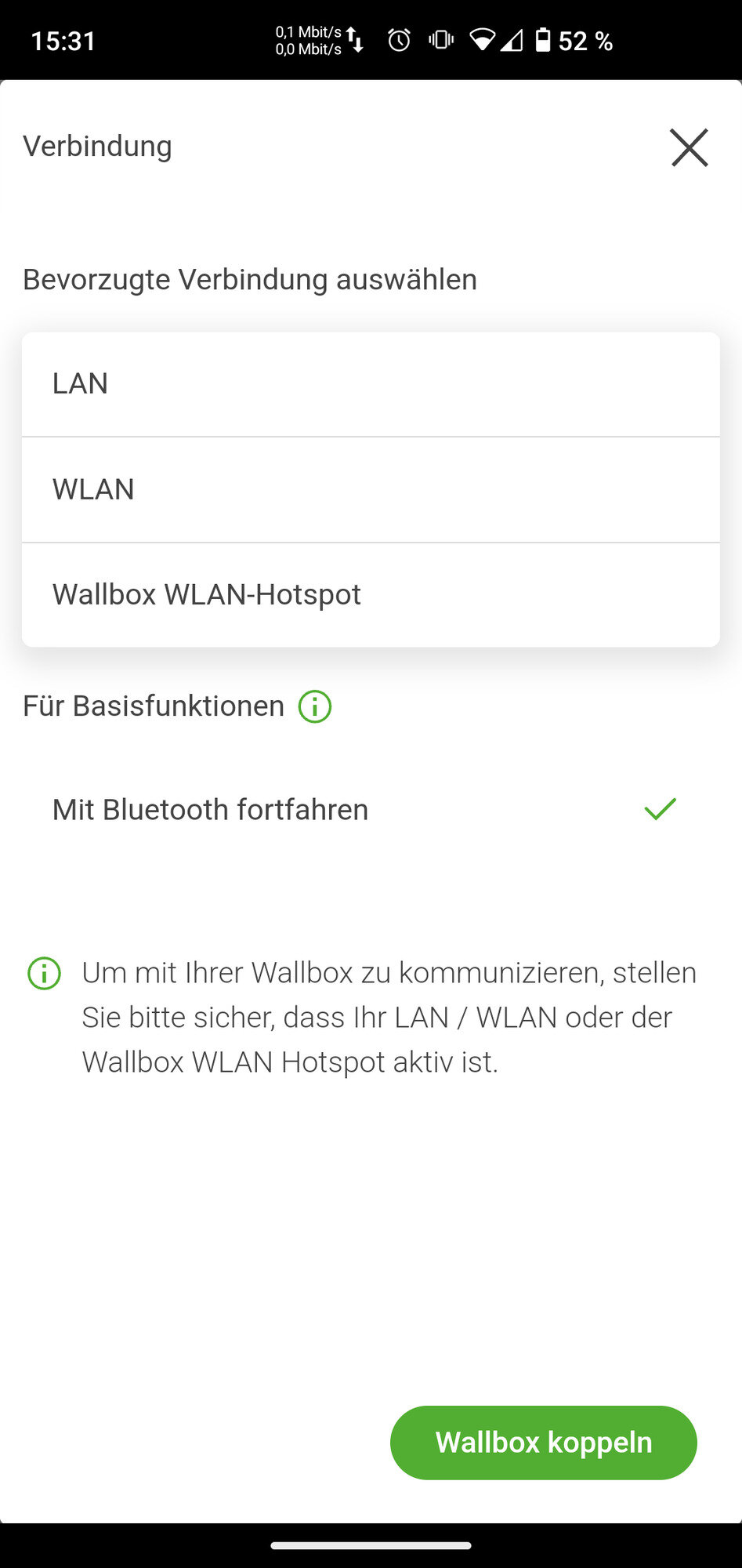
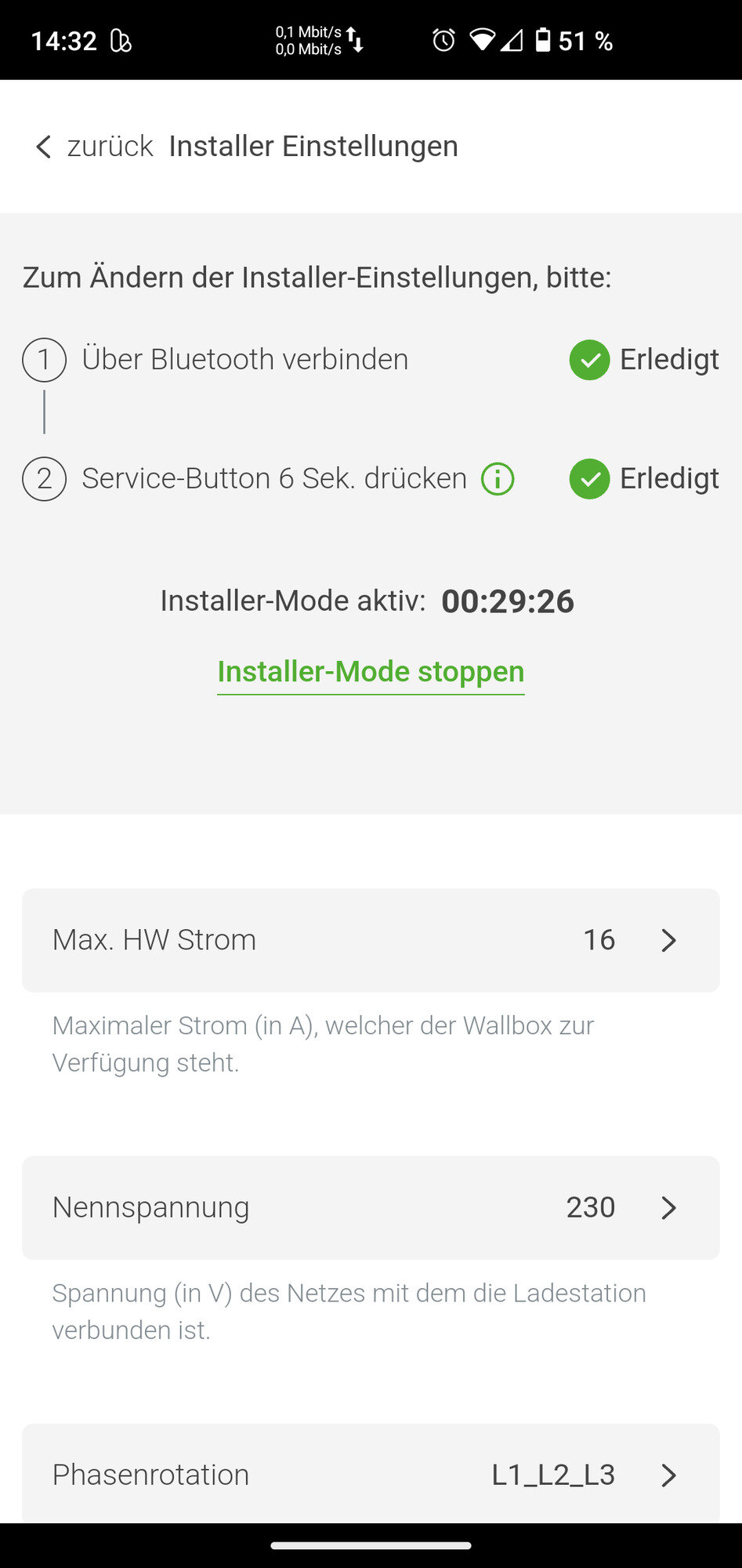
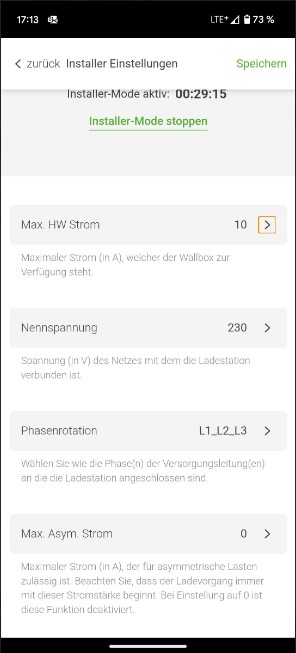
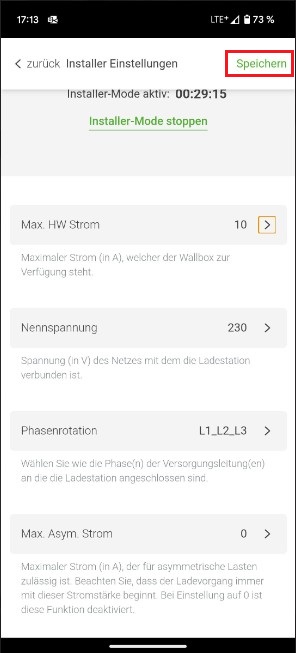
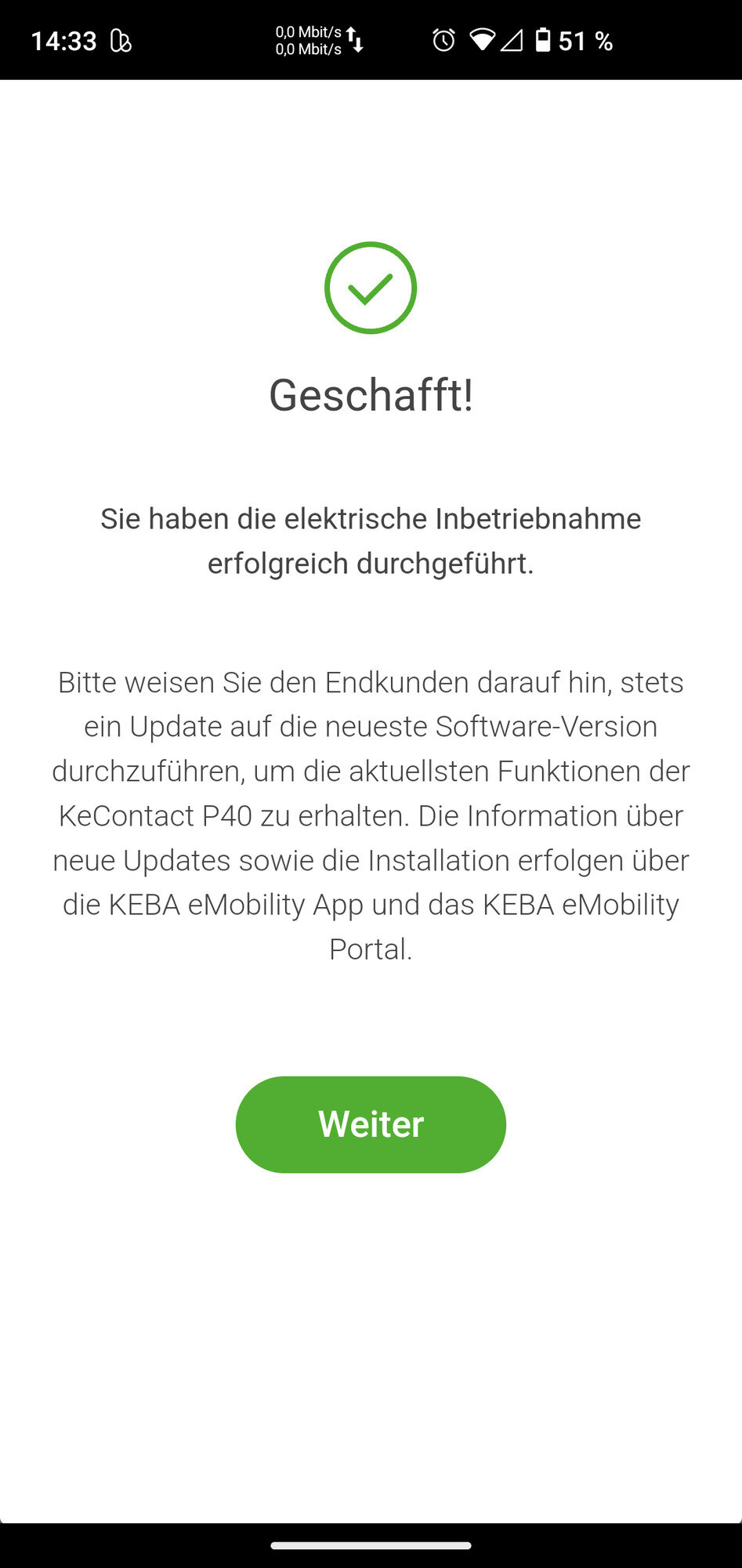
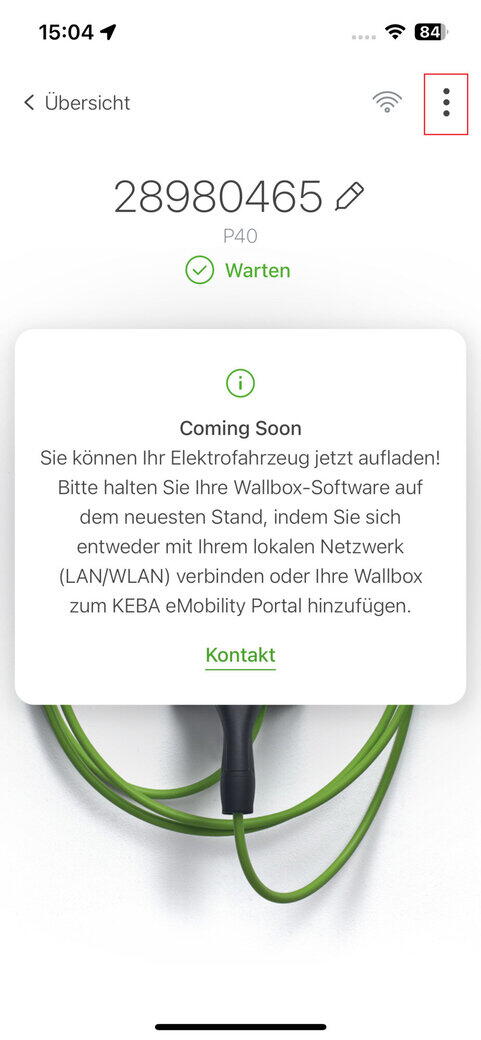
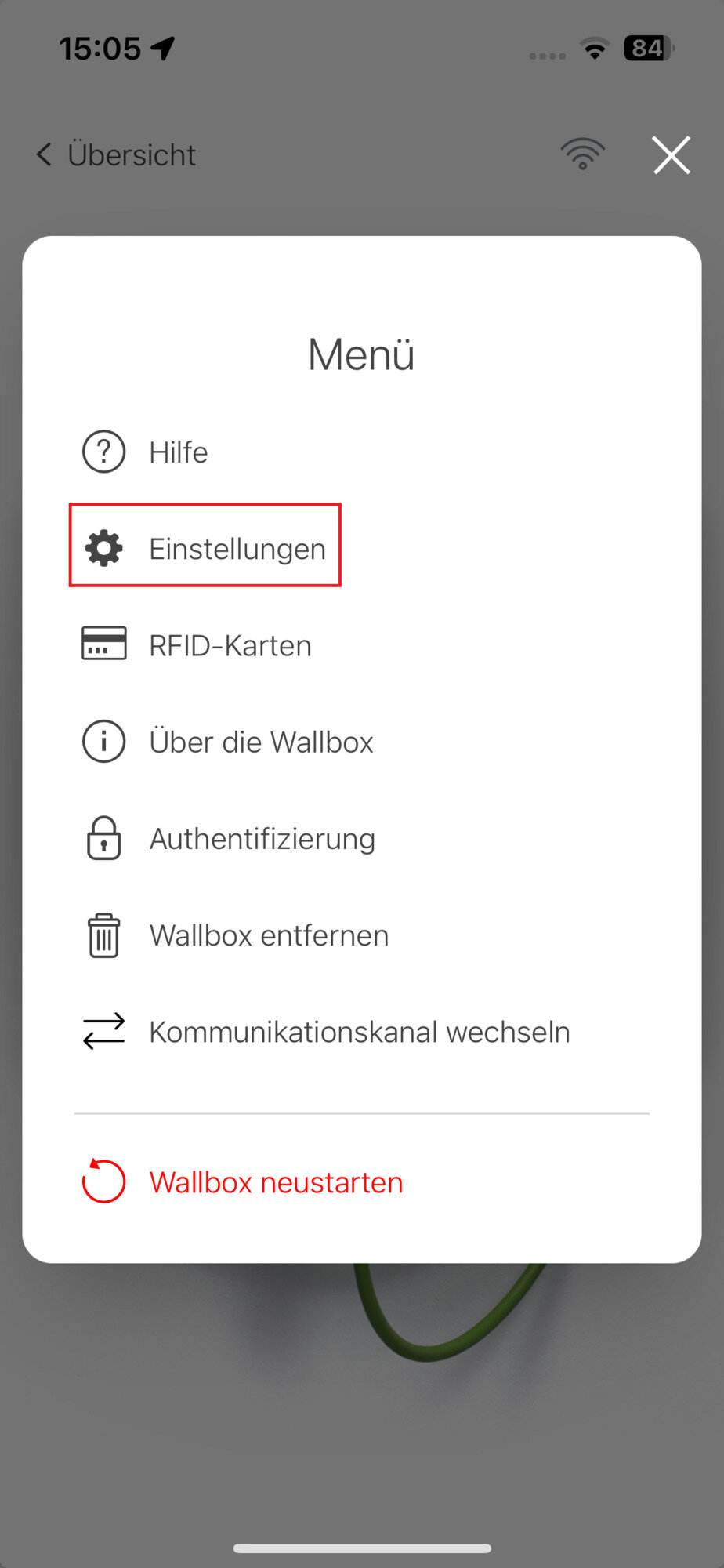
The KEBA KeContact P40 / P40 Pro series can only be set up via the KEBA eMobility App. Please download the KEBA eMobility App from the AppStore or Google PlayStore. |
|
|
|
|
|
|
|
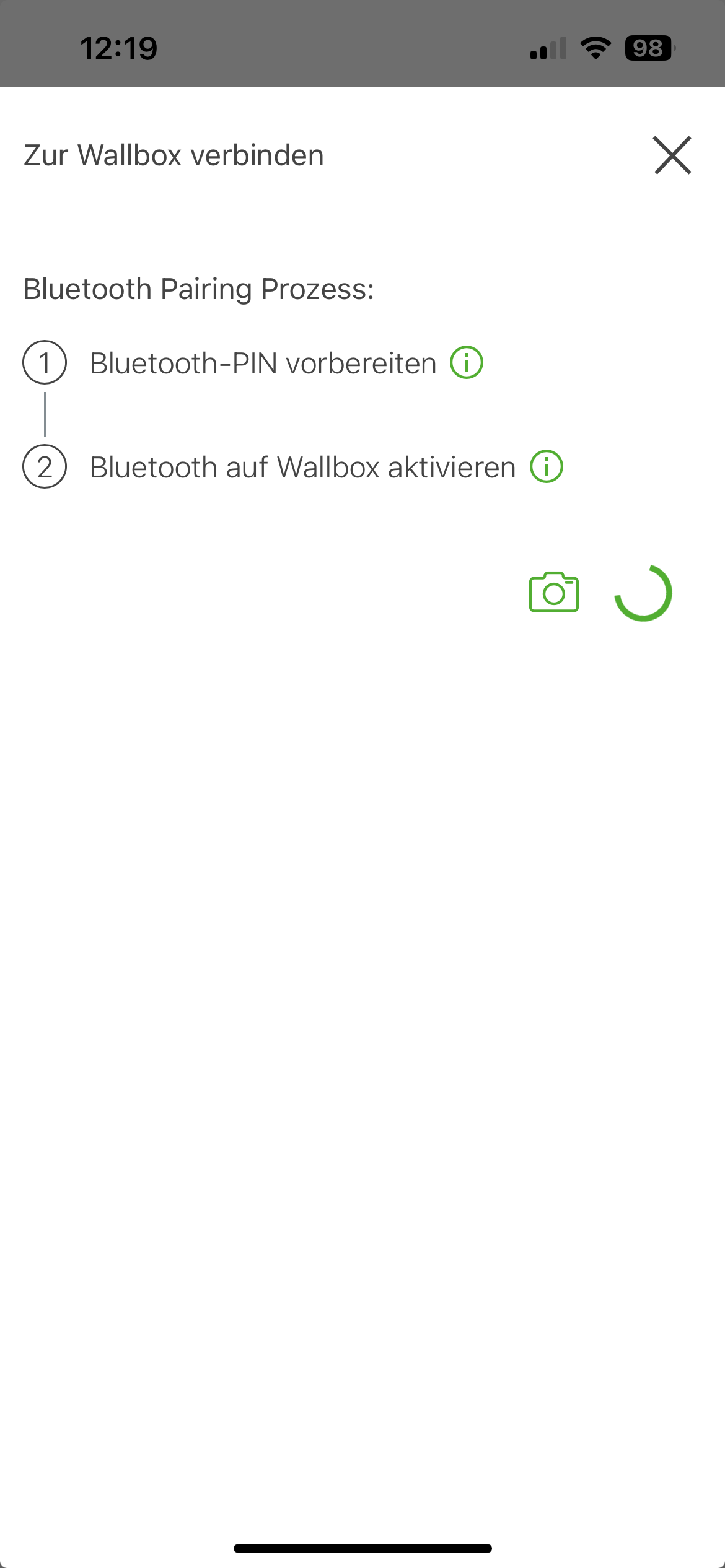
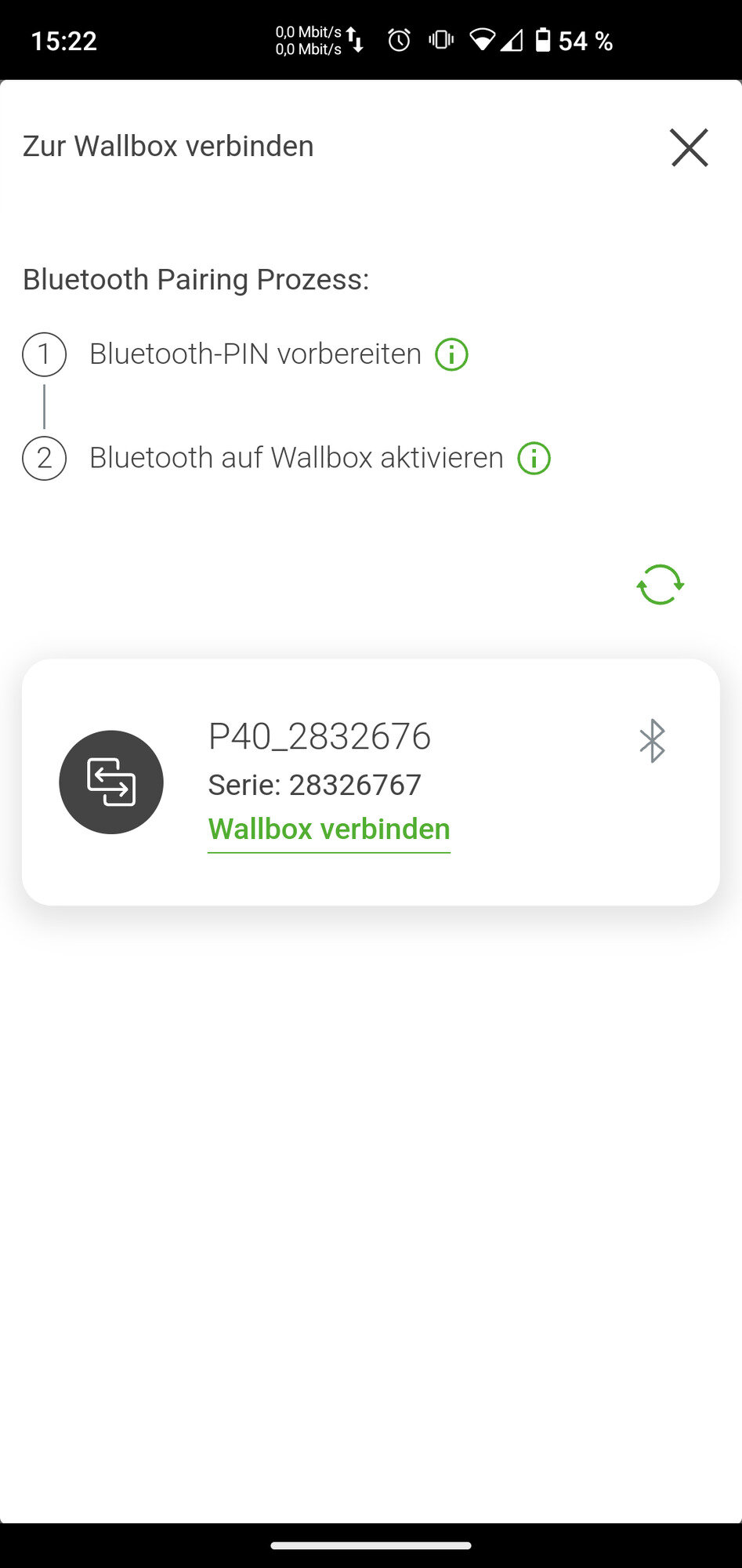
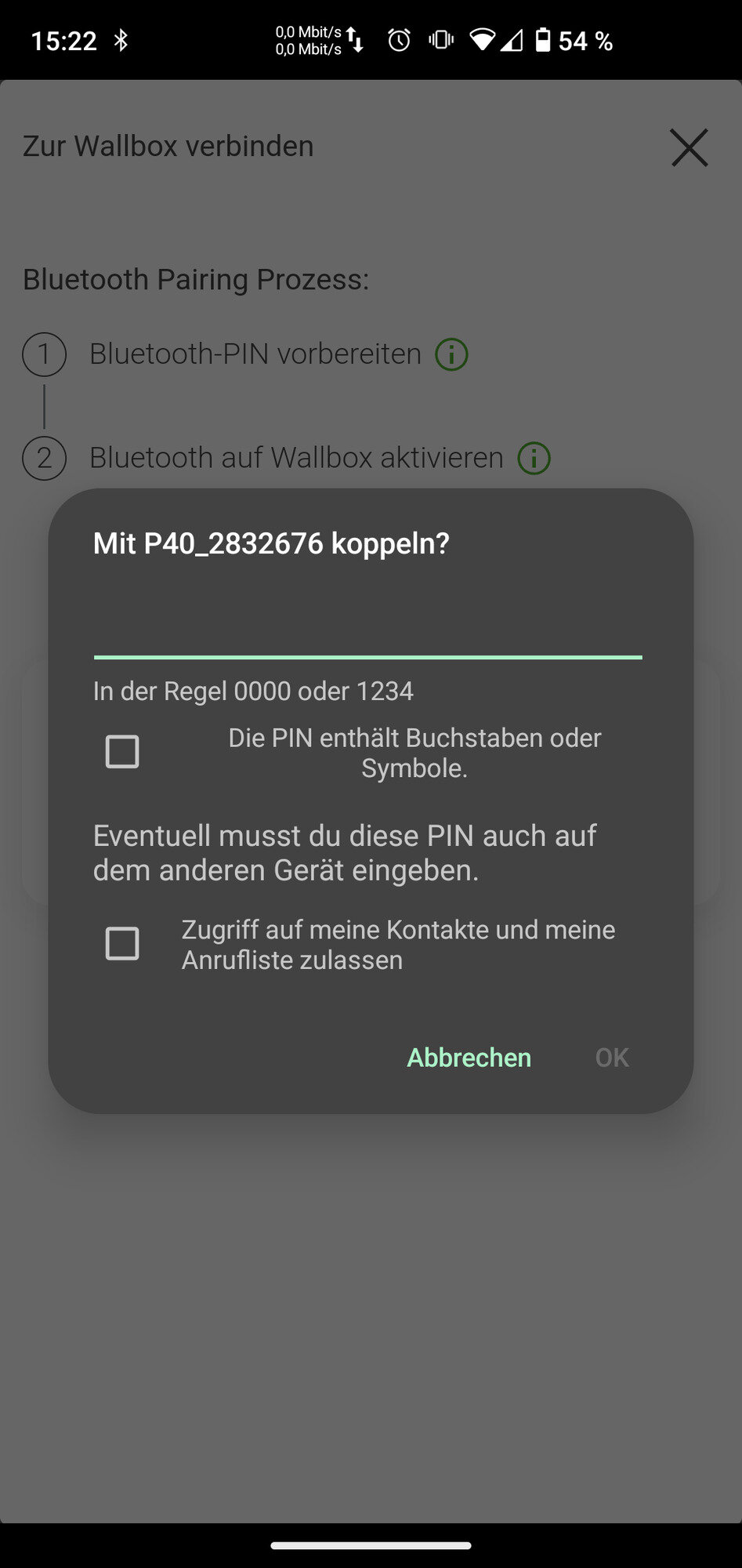
Please make sure that Bluetooth activated on your cell phone. |
|
|
|
|
|
|
|
|
||
|
|||
|
|
|
|
|
|
|
|
|
|
|
|
|
|
|
|
|
|
|
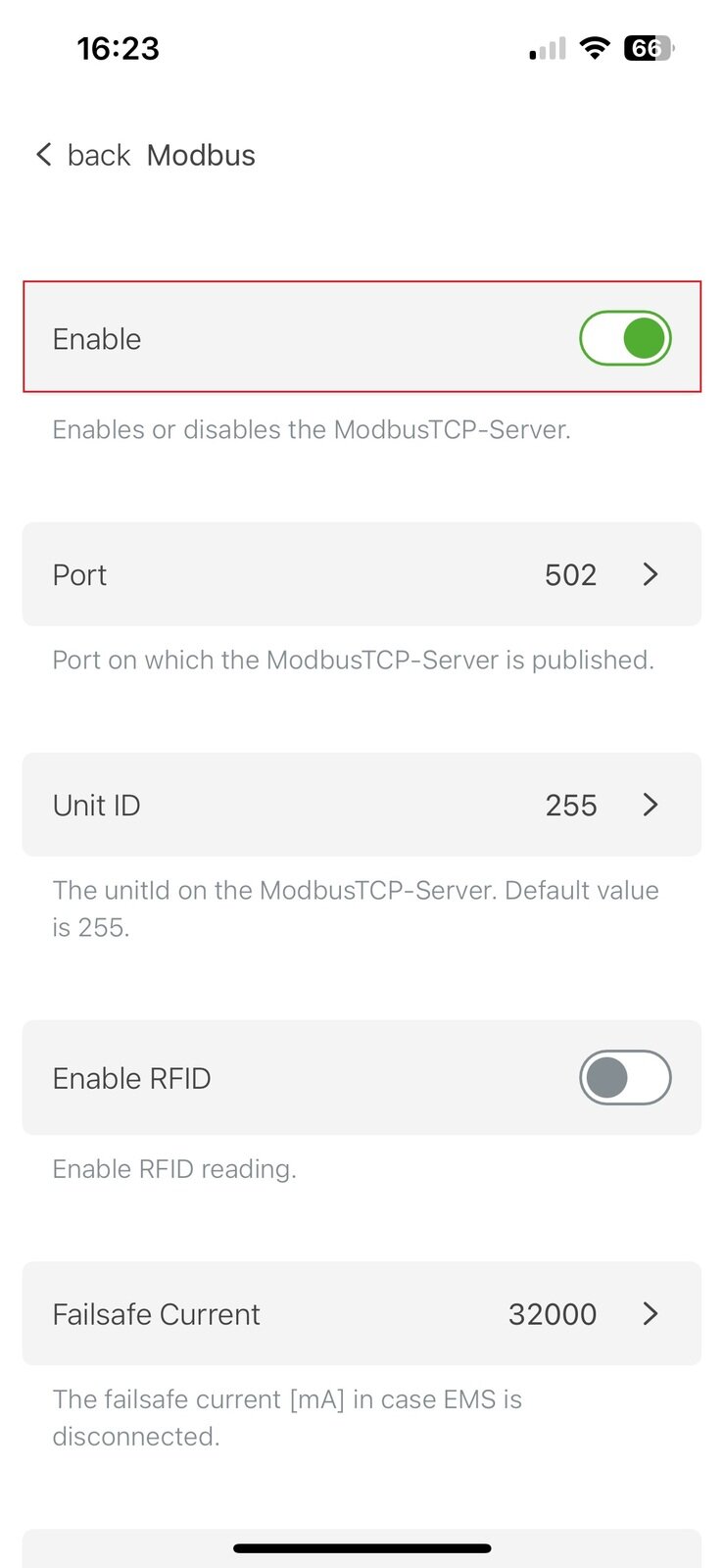
Please make a note of the assigned IP address. The IP address is required below to set up the FEMS App KEBA KeContact. |
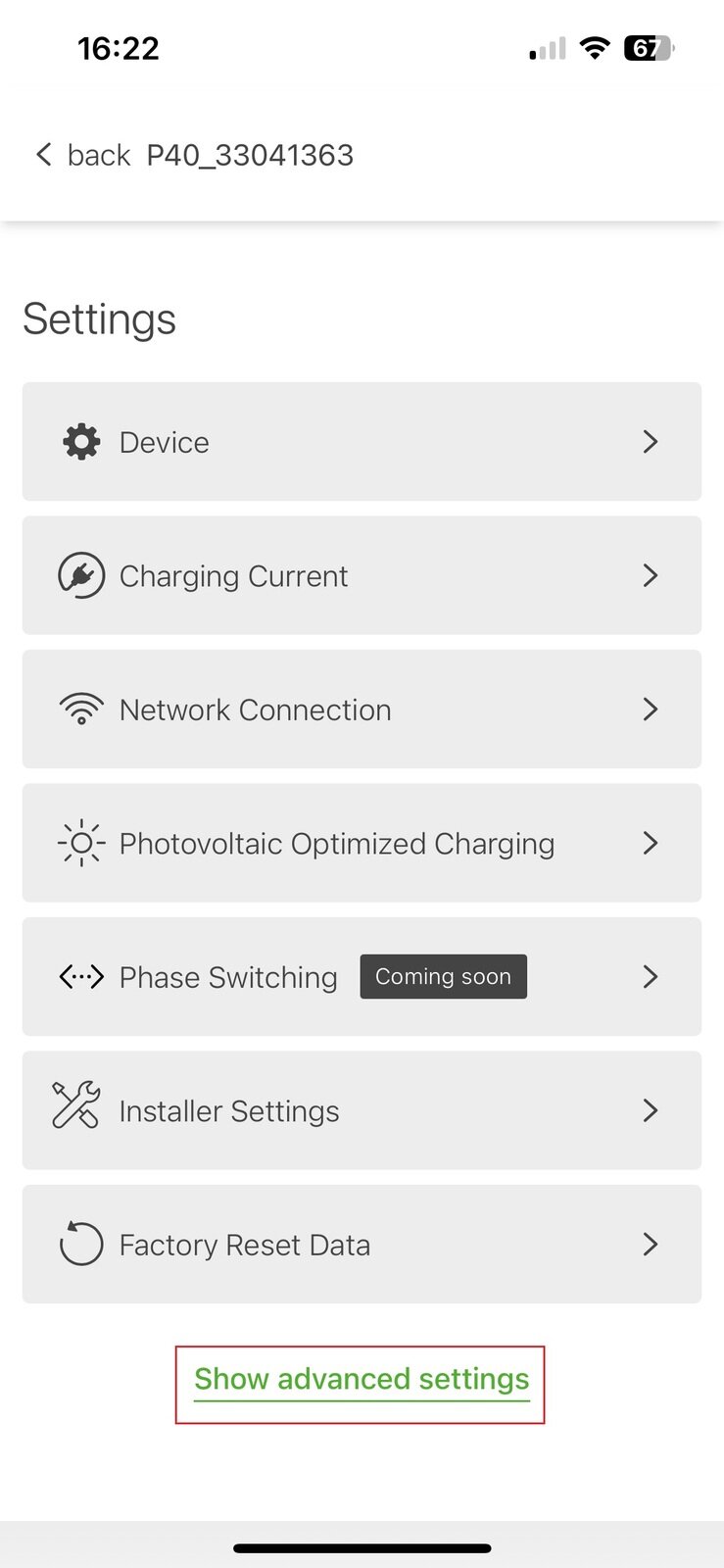
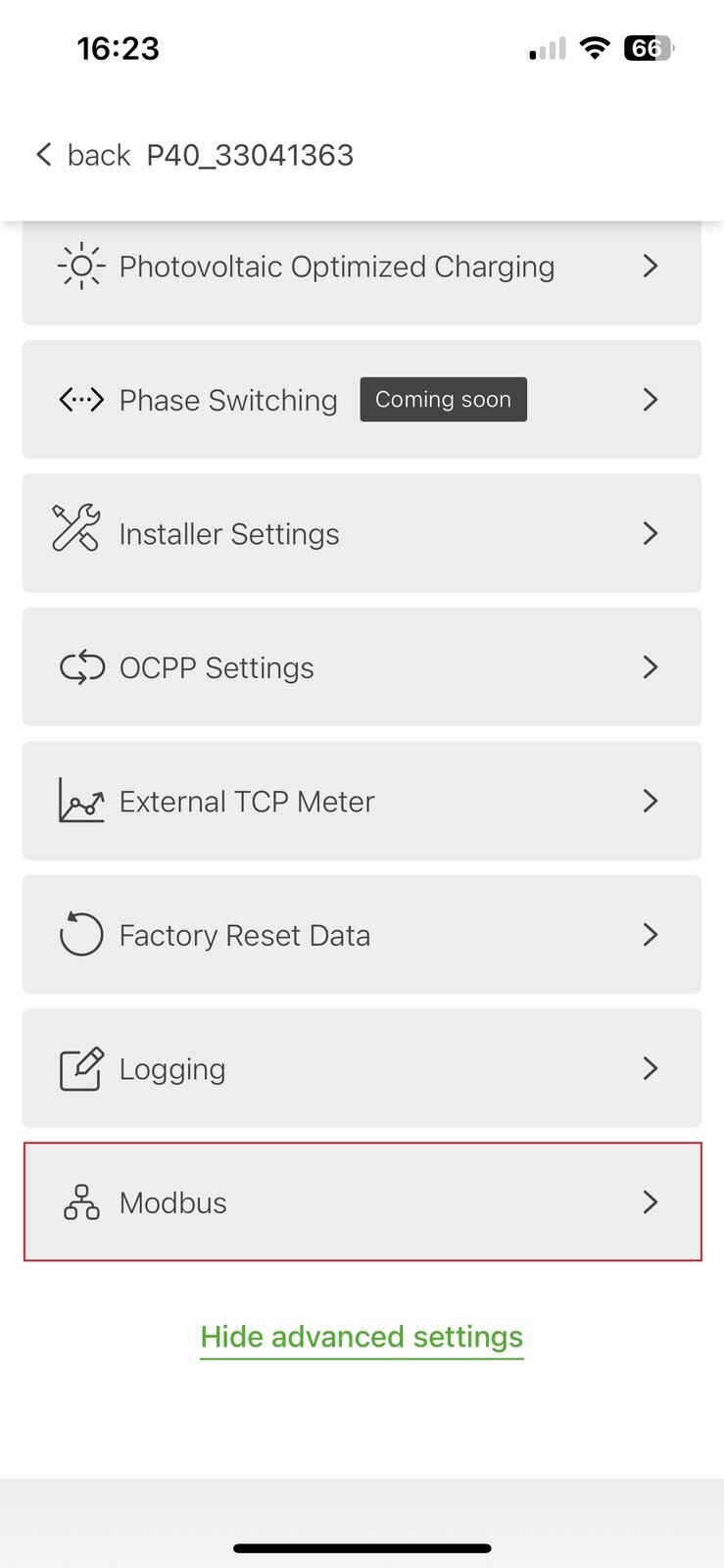
The FEMS App KEBA KeContact communicates with the FENECON Energy Management System via Modbus TCP/IP.
|
The FEMS App KEBA KeContact uses a Modbus TCP/IP interface. |
|
|
|
|
|
|
|
|
|
|
|
|
4.1. Updating the charging station firmware
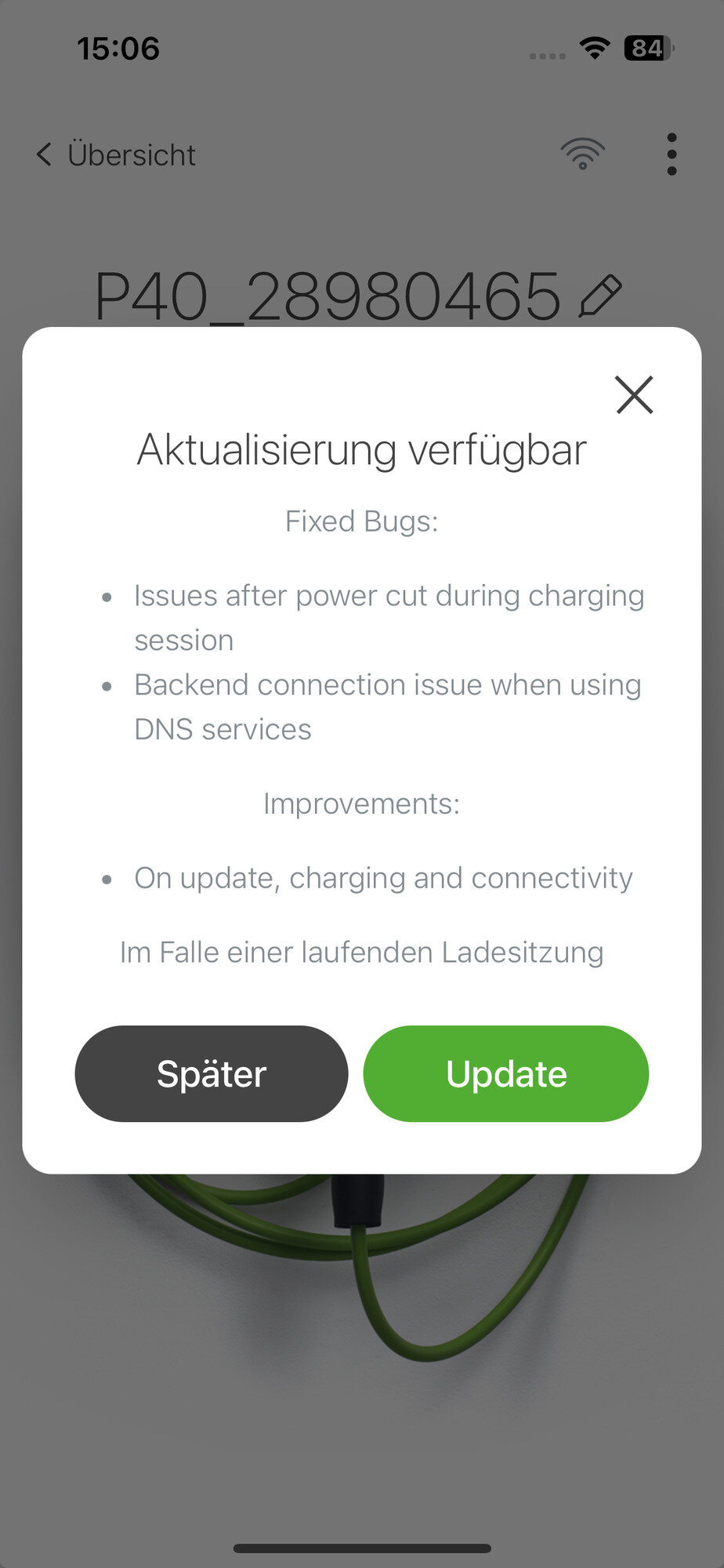
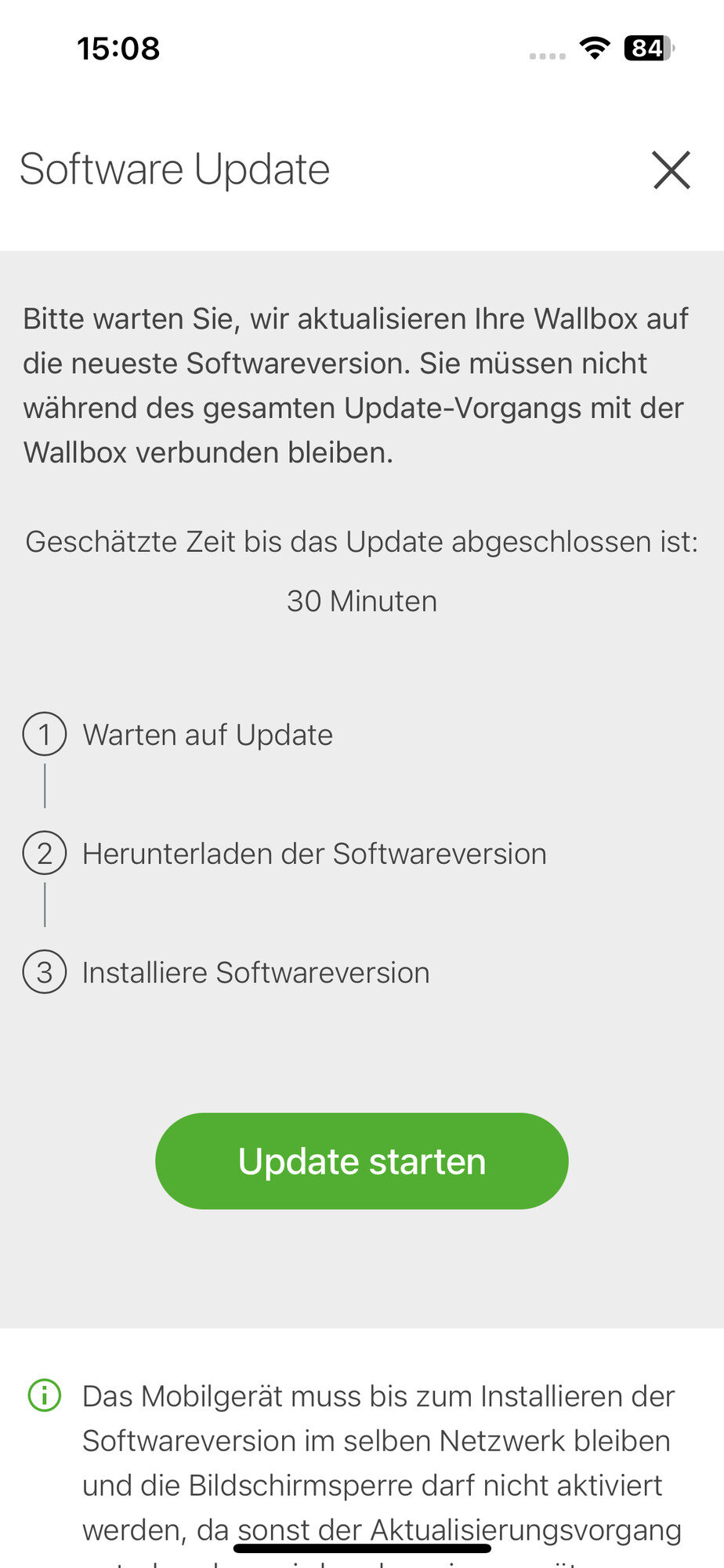
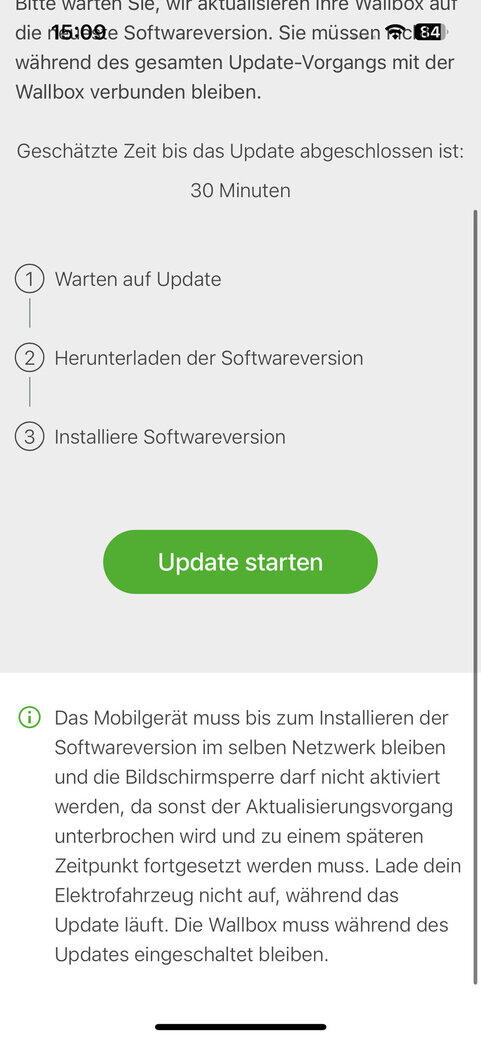
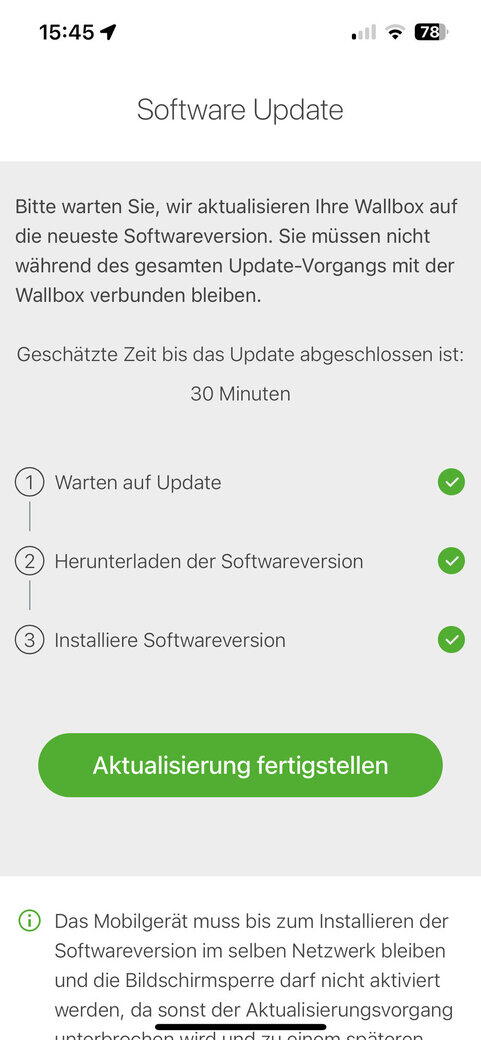
The latest software updates are automatically displayed when you open the KEBA eMobility App.
|
This feature has been tested and approved up to firmware version 1.3.0. |
|
|
|
|
|
|
|
|
The configuration is now complete.
5. Install FEMS App KEBA KeContact
In the FEMS App Center you will find all installable FEMS Apps — such as the FEMS App KEBA KeContact.
|
The user manual FEMS App Center provides detailed instructions on how to use the FEMS App Center. It also explains how to register and redeem a license key. |
Then follow the instructions in the FEMS App installation wizard on your KEBA KeContact P40 / P40 Pro.
5.1. Installation wizard
You will then be taken to the installation wizard for FEMS App KEBA KeContact.
|
Please select the correct series for your KEBA KeContact under Product series. |
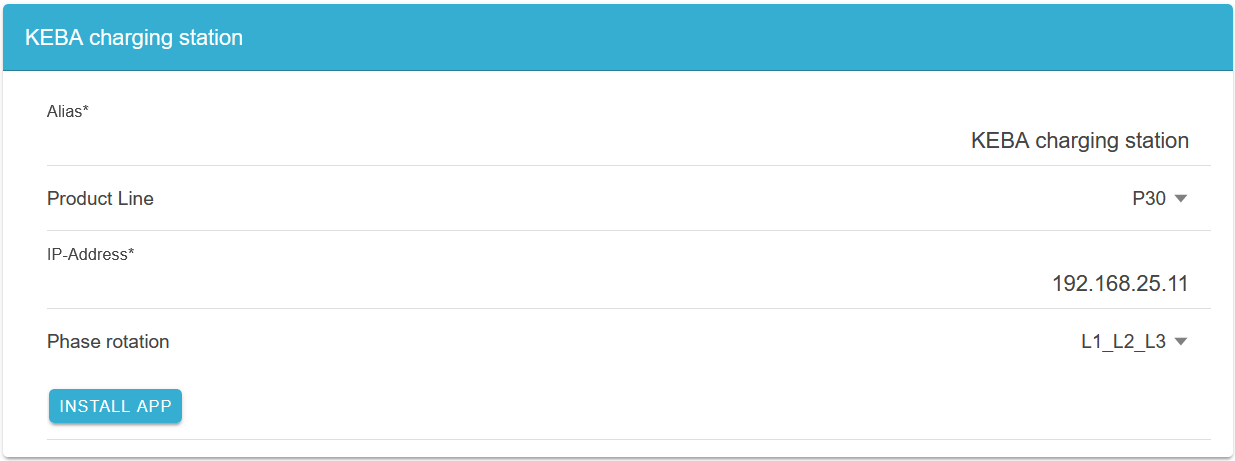
Please select "P40" under product range if you have a KEBA KeContact P40 / P40 Pro.
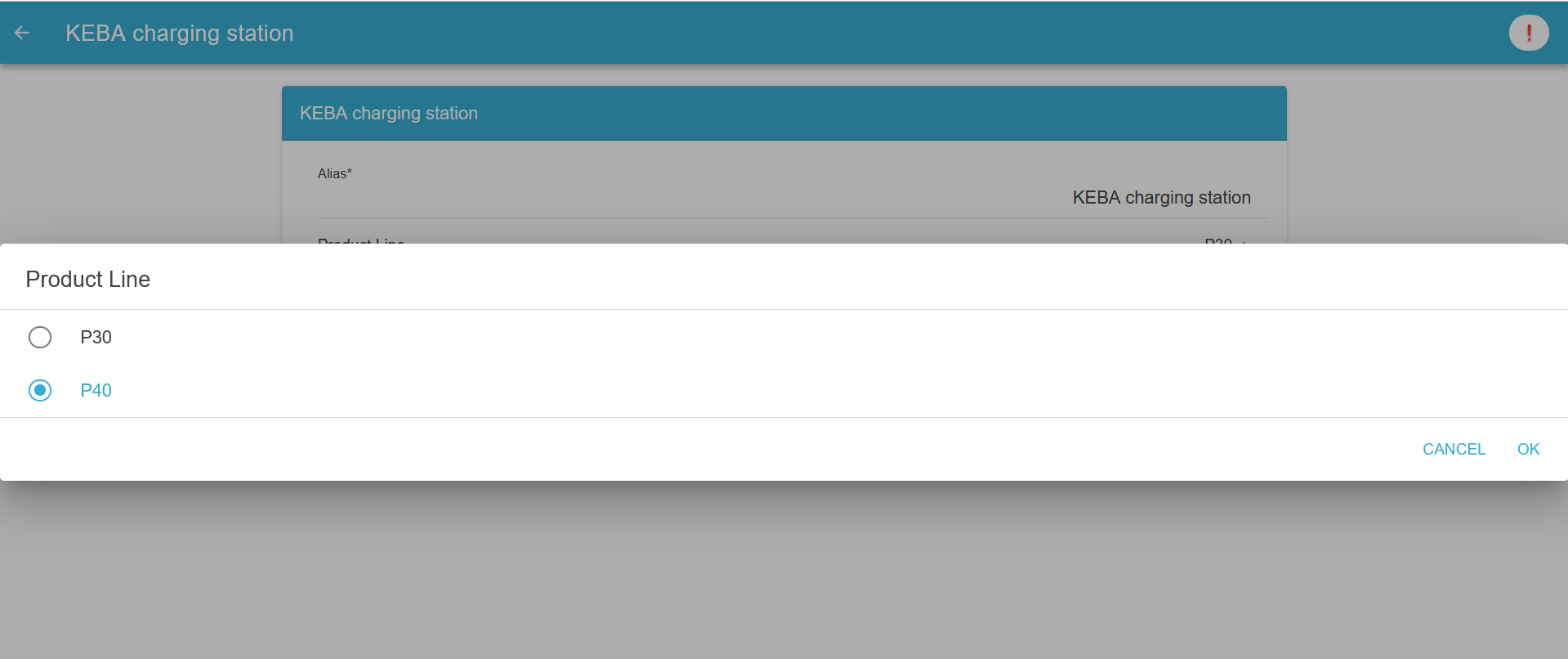
Confirm your selection by clicking the "OK" button.
The installation wizard for the KEBA KeContact P40 / P40 Pro will then be displayed.
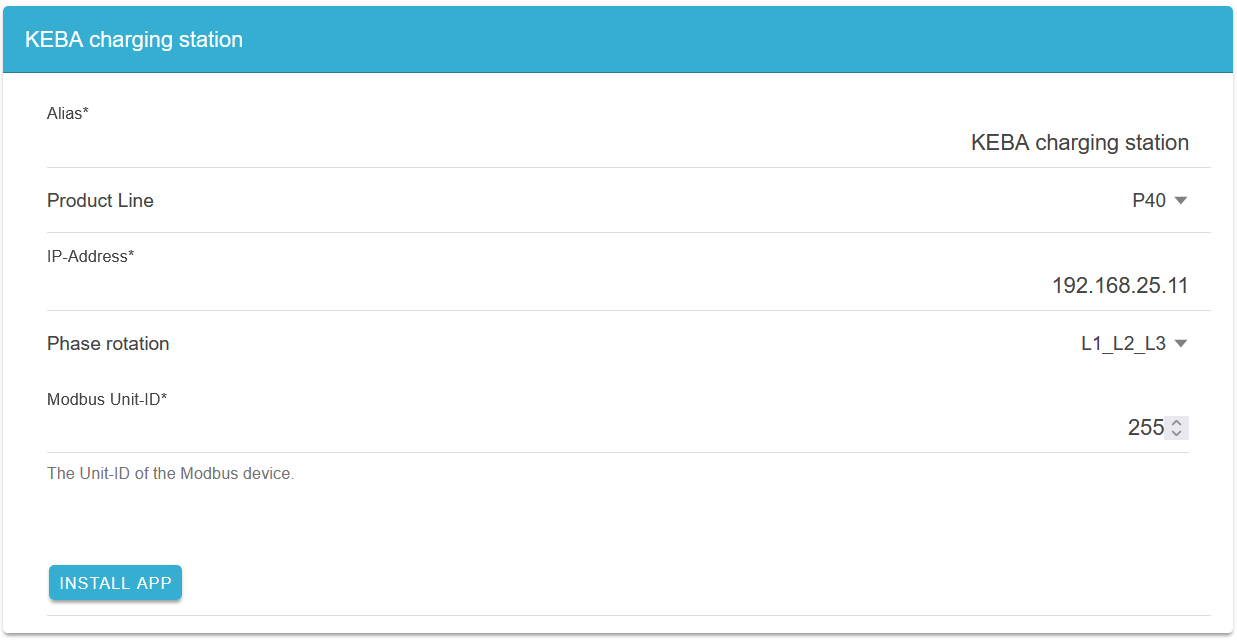
Some of the input fields are pre-filled. Nevertheless, enter your data if it differs from the default values (e. g. IP address). Otherwise, the default values can be retained (e. g. port, Modbus unit ID).
| Mandatory fields are marked with * |
| Check your entries and make sure that they are correct. Otherwise the respective app will not work properly! |
In the next step, you can set a phase rotation.
|
Please note that phase rotation is only included from FEMS release 2024.11.2 or later. |
The phase connection L1_L2_L3 is selected as standard.
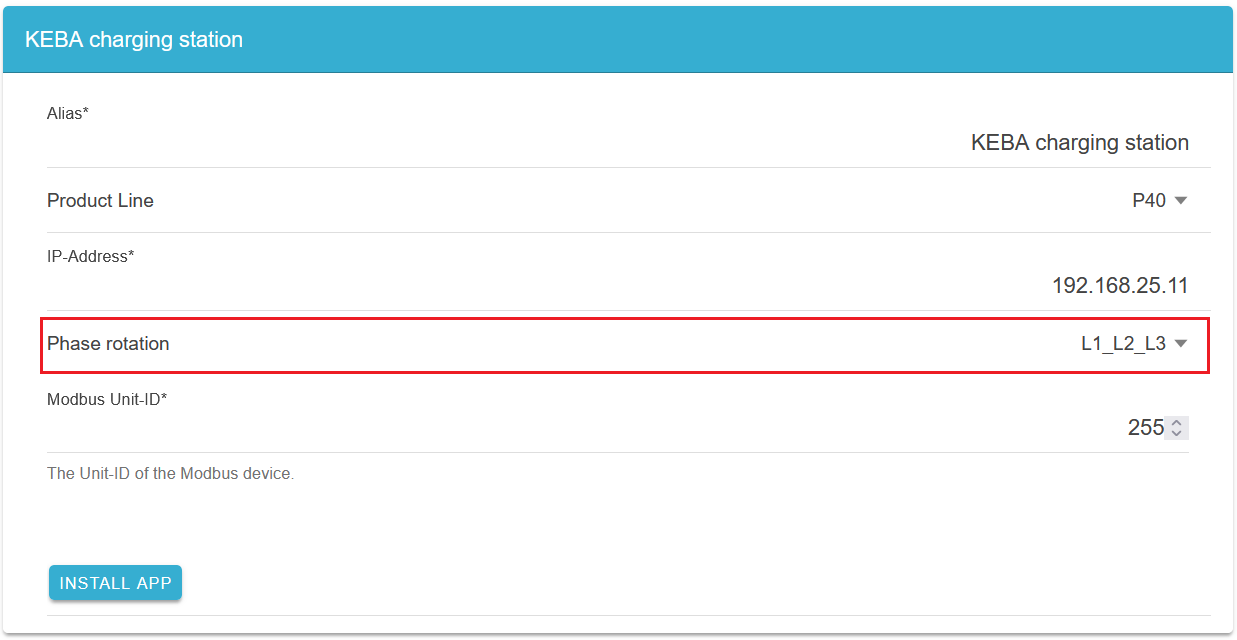
If your phase connection differs from this, you can select a different phase connection using the drop-down button.
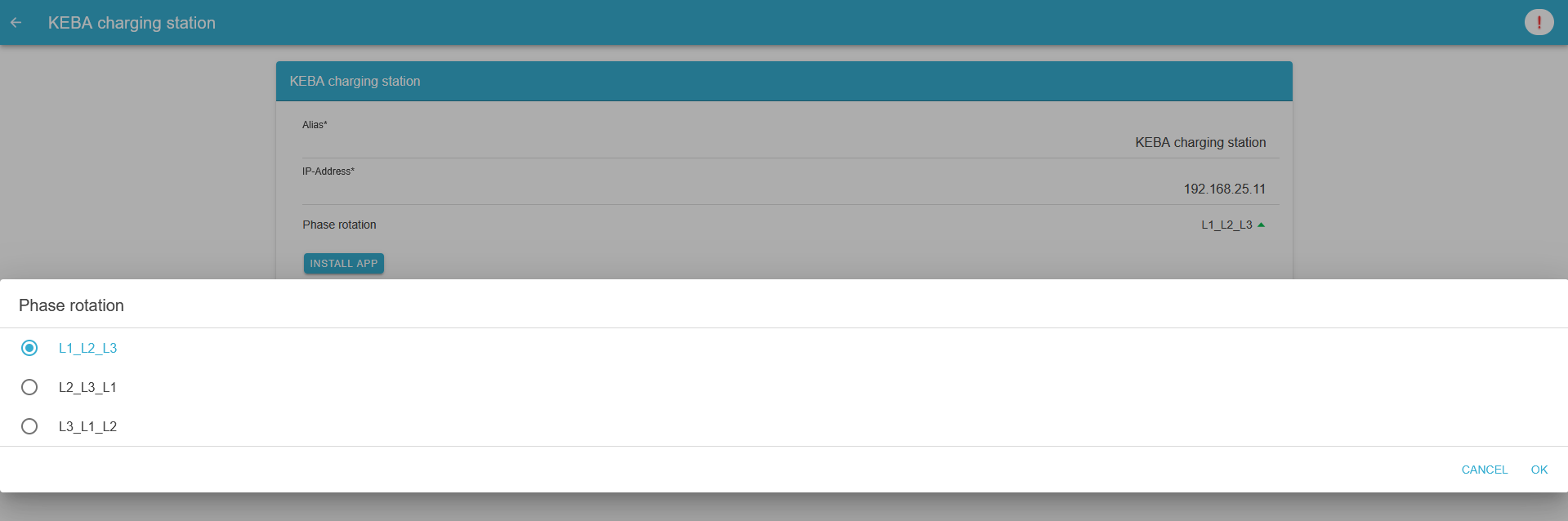
Confirm with "OK".
Then click on "Install app".
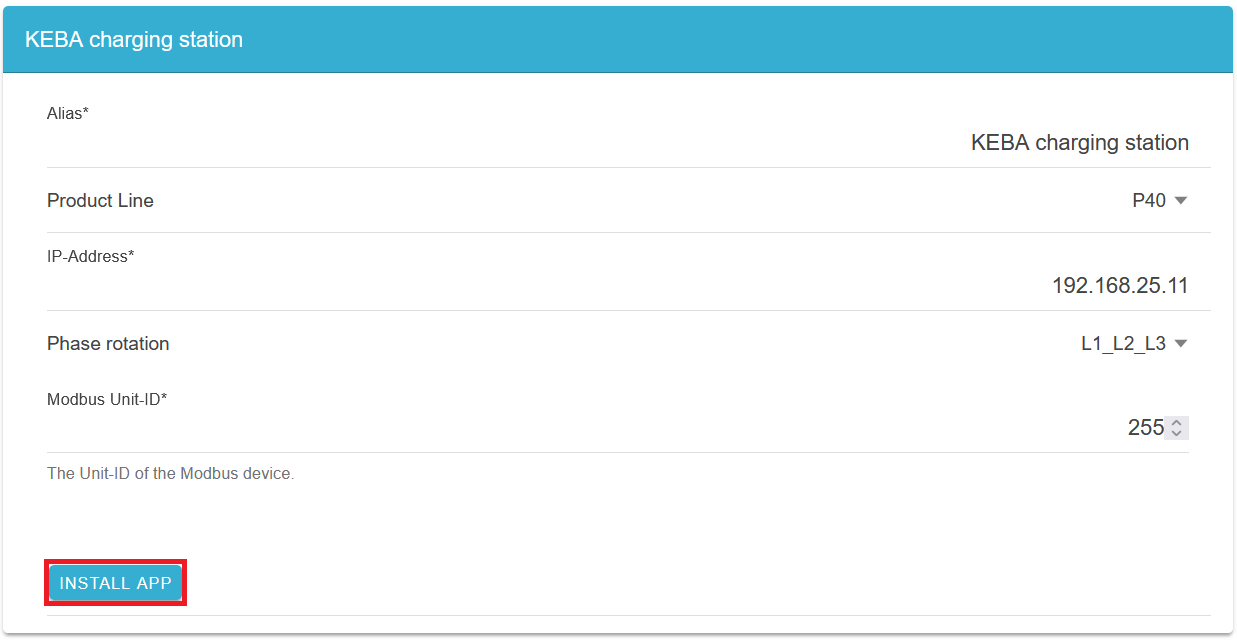
Once the installation process is complete, the new app appears in the overview of the FEMS App Center in the "Installed" category.
The FEMS App KEBA KeContact has been successfully installed.
6. Phasenumschaltung bei der KEBA KeContact P40 / P40 Pro
Für die (automatische) Phasenumschaltung muss eine aktuelle FEMS Version (2026.10.1 aufwärts) installiert sein. Die neuen Funktionen werden weiter unten in dieser Anleitung erläutert.
|
Die (automatische) Phasenumschaltung ist nicht für die eichrechtskonforme KEBA KeContact P40 Dienstwagen-Wallbox verfügbar. |
7. How to Use Installation and Configuration Manual — KEBA KeContact P40 / P40 Pro
7.1. Charging stating main window
A charging station is displayed in FEMS at Consumption.
Click or tap in the menu to open the main window for your charging station. This window displays various pieces of information, e. g. the current charging mode, charging power, etc.
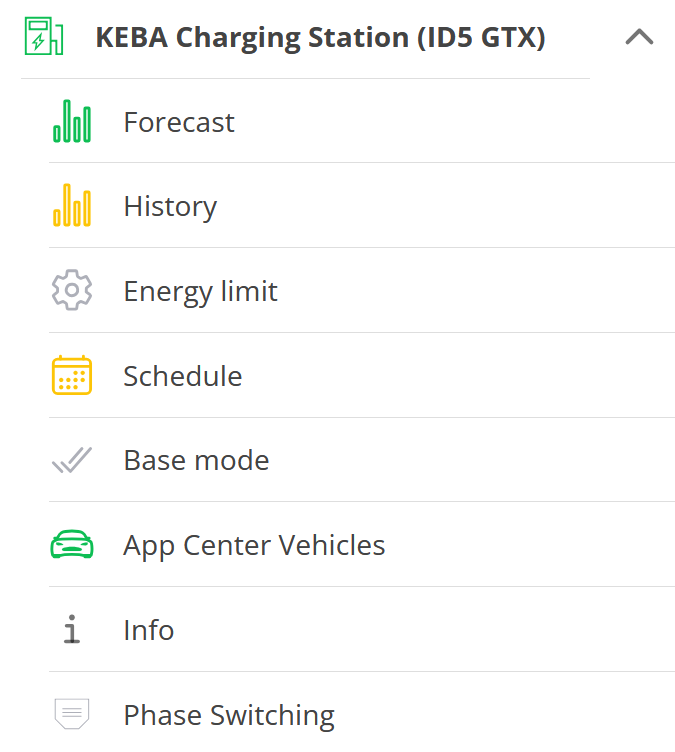
Depending on the submenu item selected, the main window displays different information and settings:
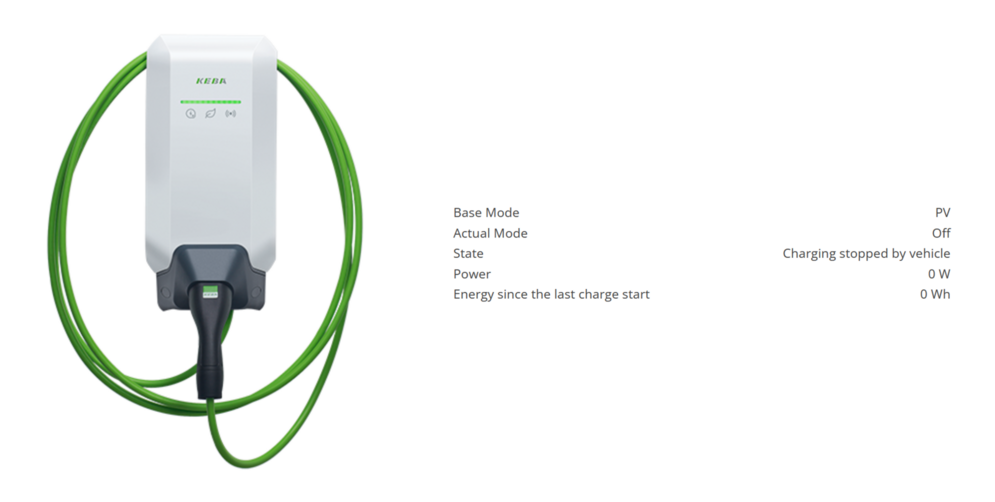
The highlighted area below displays custom tasks (schedule).
In addition, the modes currently active — Base Mode and Active Mode — are displayed to the right of the charging station.
|
The Base Mode can be set via the submenu item {charging-station-base-mode-xref}. |
|
Active Mode can be set via the submenu item {charging-station-task-scheduling-xref}. |
7.2. Forecast
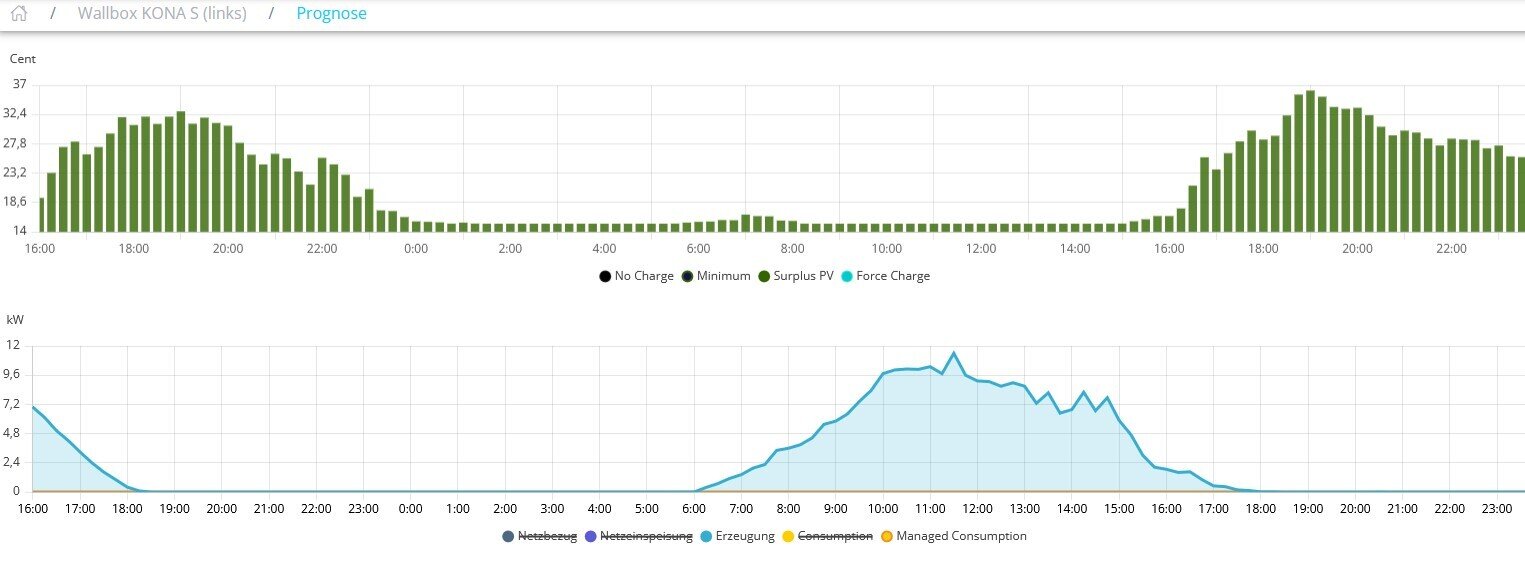
|
The main window for this menu item displays the forecast for your wallbox: |
|
|
7.3. History
|
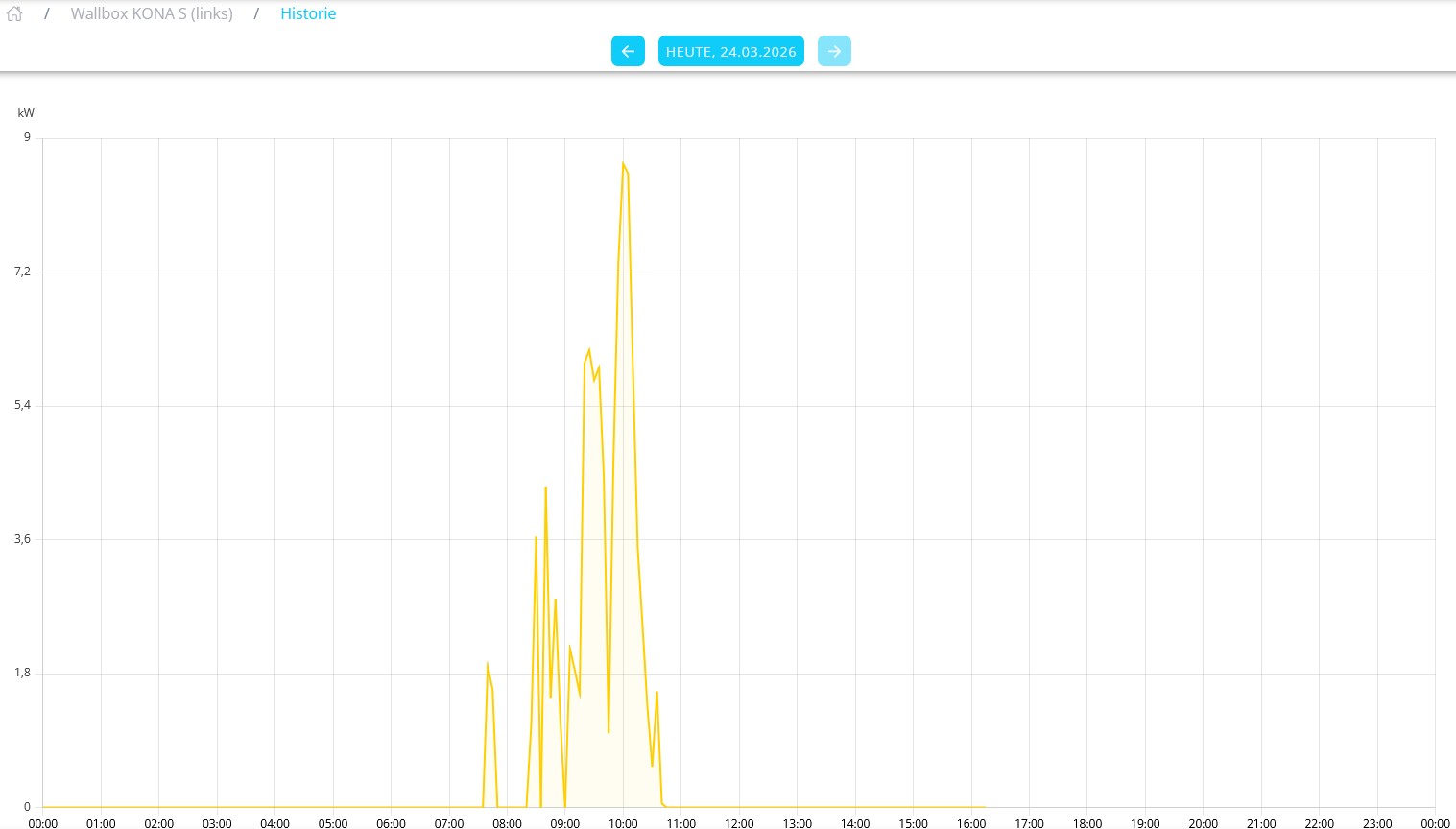
The main window for this menu item displays the history for your wallbox: |
|
|
7.4. Energy limit
|
Use this menu item to set an energy limit for charging your vehicle. |

|
There is a slider for this in the corresponding main window.
etc. |
Confirm the setting using the in the lower-right corner of the main window. |
7.5. Schedule (Active Mode)
Klicken oder tippen Sie auf die Menüoption Zeitplan, um einen Aktiven Modus einzustellen.
Dieser Modus überschreibt den Grundmodus der Ladestation mit benutzerdefinierten Aufgaben.
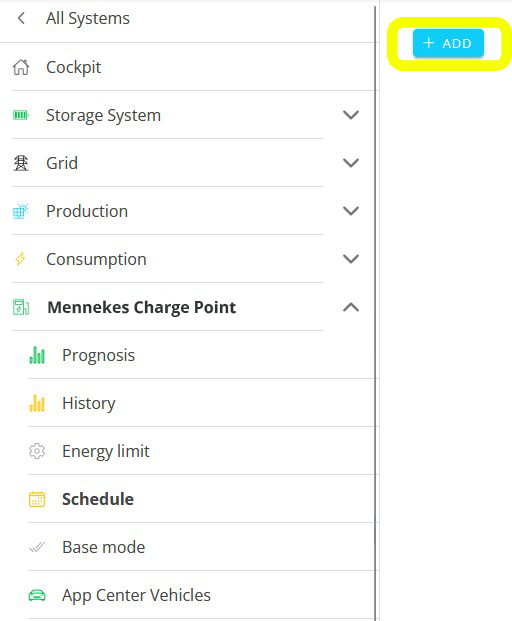
|
In the main window, click or tap + ADD to create a new task. |
Now you can configure settings for your task:

Charging Mode
Select the desired charging mode for the task. The following options are available:
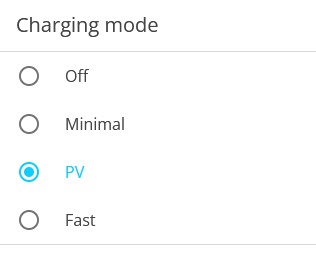
- No charging
-
Completely disables the charging station.
- Excess solar power with guaranteed charging
-
The PV Surplus with Guaranteed Charging mode guarantees a minimum charging status for the vehicle. If there is sufficient PV surplus, it is used. If there is no PV surplus, the vehicle is charged using grid withdrawal up to the minimum charging power.
- Excess solar power
-
In PV Surplus mode, EV charging is dynamically adjusted to the excess electrical energy.
- Fast charging
-
In Fast Charging mode, the vehicle charges as quickly as possible.
Wiederholung und Start-/Endzeiten
Stellen Sie dann den Wiederholungsintervall ein und definieren Sie eine Start- und Endzeit für die Aufgabe.
Using + ACCEPT saves the task and displays it in the overview of your charging station in the main window. |
Edit Task
This main window displays your custom tasks (schedule).
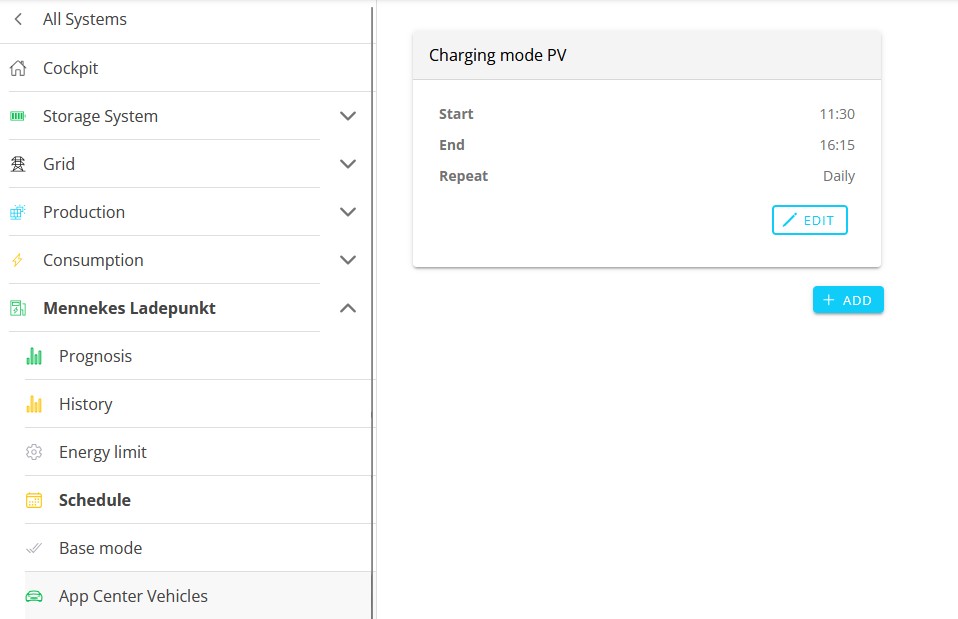
If you already have a task in the list, you can EDIT it to, e. g. adjust the time period or the charging mode during that time period.

Use ACCEPT to save your changes to the task. |
|
Click/tap DELETE to delete the task. |
7.6. Base mode
Click or tap the Base Mode menu item to open the following main window:
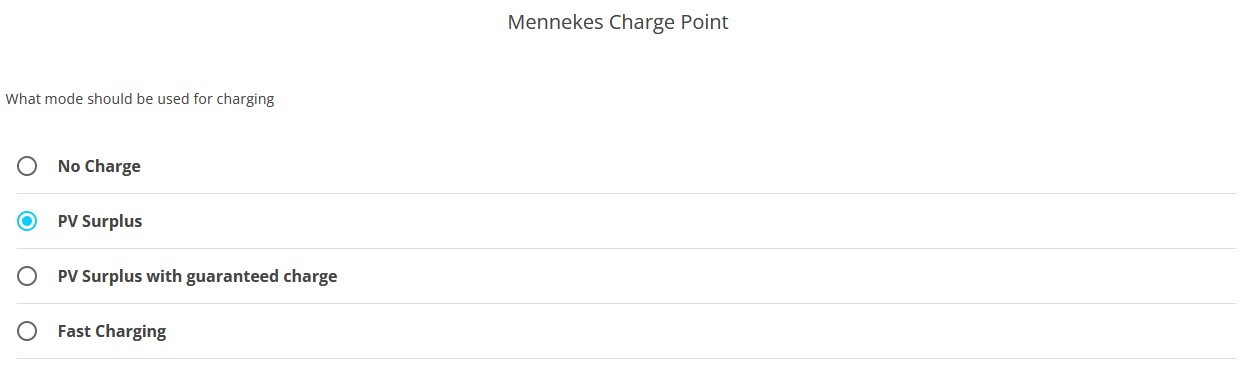
- No charging
-
Completely disables the charging station.
- Excess solar power
-
In PV Surplus mode, EV charging is dynamically adjusted to the excess electrical energy.
- Excess solar power with guaranteed charging
-
The PV Surplus with Guaranteed Charging mode guarantees a minimum charging status for the vehicle. If there is sufficient PV surplus, it is used. If there is no PV surplus, the vehicle is charged using grid withdrawal up to the minimum charging power.
- Fast charging
-
In Fast Charging mode, the vehicle charges as quickly as possible.
Confirm the setting using the in the lower-right corner of the main window. |
7.7. App Center Vehicles
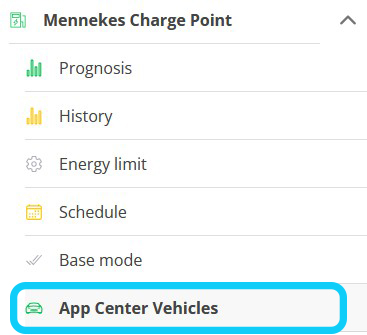
|
Use this menu item to configure vehicle-specific settings. The main window displays the settings for the Generic Vehicle app. The Generic Vehicle app is automatically installed when you install FEMS App KEBA KeContact. |
Generic Vehicle means:
-
The primary vehicle that is charged at this charging station by default.
-
We recommend that you provide the correct model name of the vehicle.
-
You can also define more than one vehicle.
The following settings are available for the connected Generic Vehicle:
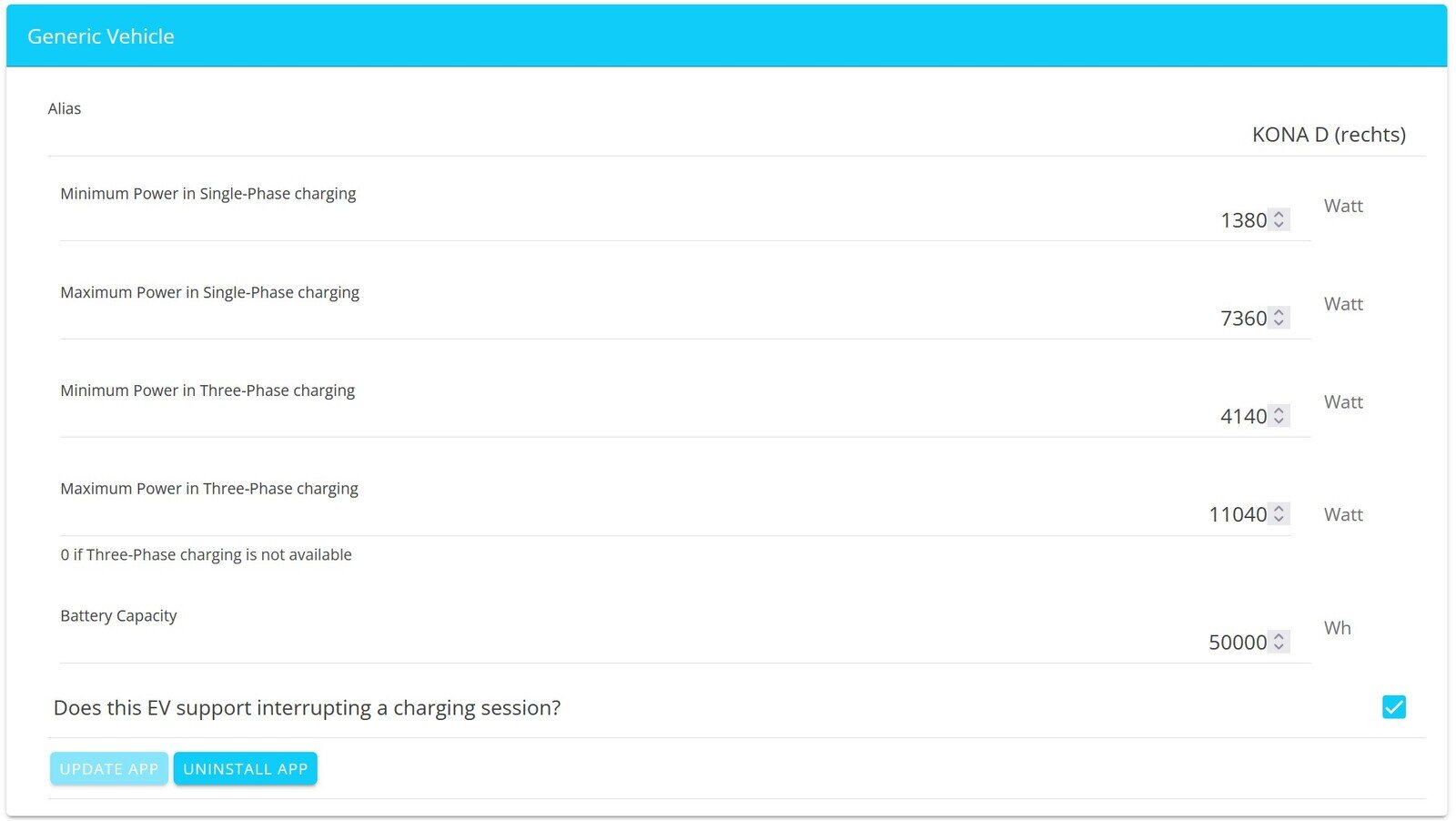
Once you have made the desired changes, save them by clicking UPDATE APP.
| These settings provide FEMS with more precise vehicle data, making the charging forecast for your vehicle more accurate. You can also enter your vehicle’s model name here so that it appears in the app. |
7.8. Phase Switching
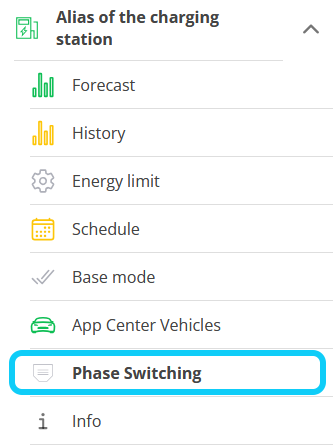
If a PV charging mode (PV Surplus or PV Surplus with guaranteed charging) is selected for your charging station, you can manually switch from 1-phase to 3-phase charging in the submenu using the Phase Switching option: |
|
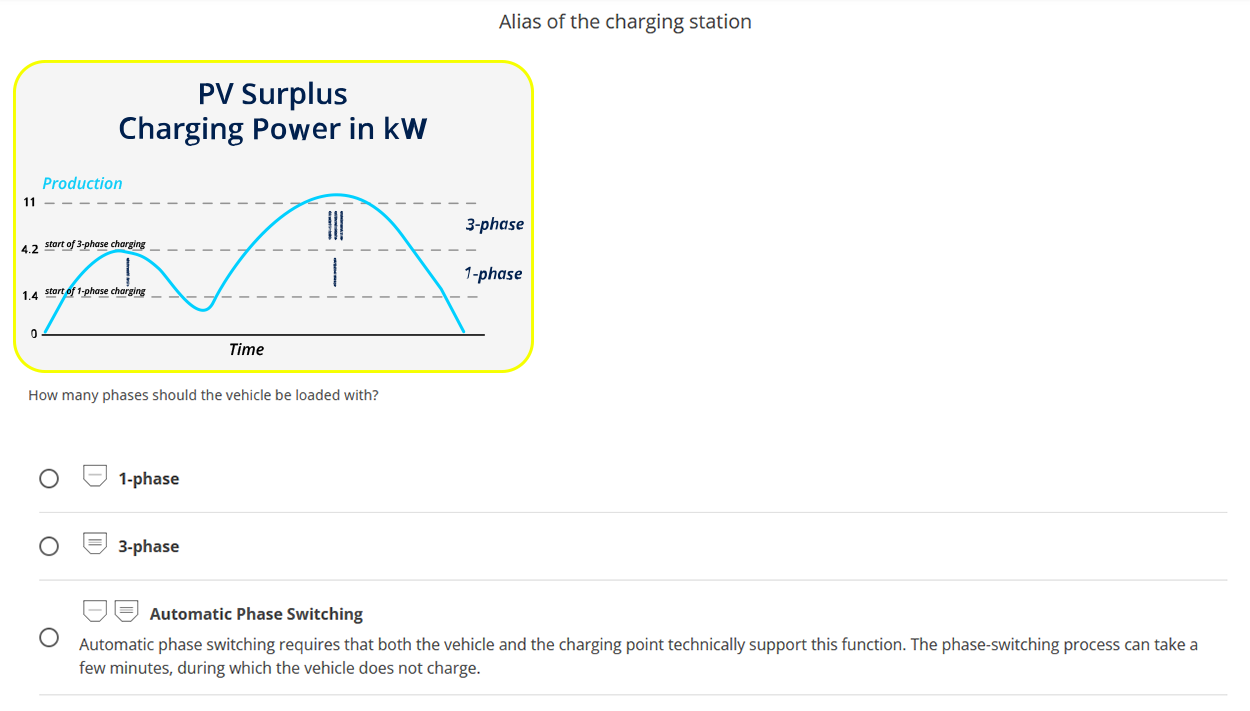
Tap or click the submenu item to access the following main screen. The following options are available here:
|
|
7.8.1. Manual Phase Switching
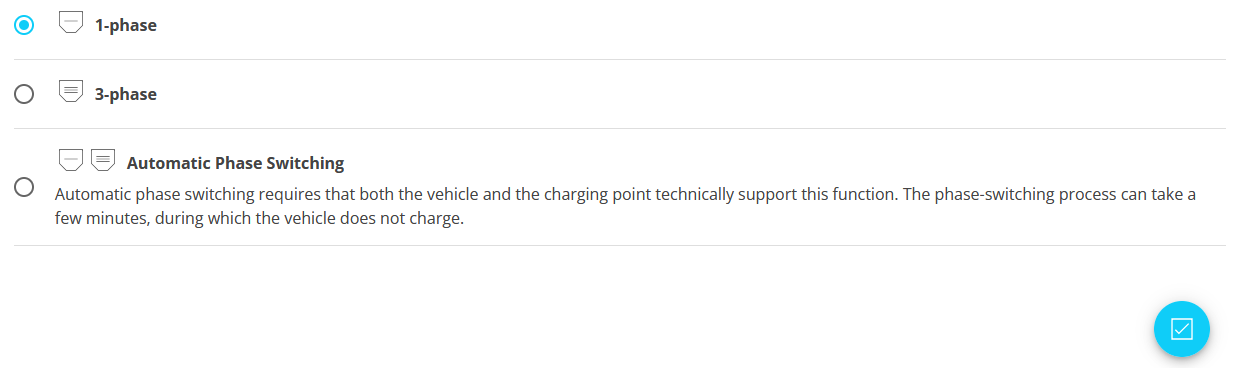
One scenario would be to use the limited PV production to charge the vehicle anyway by manually switching to single-phase charging.
|
Switching During Charging:
|
|
7.8.2. Automatic Phase Switching
In addition to the Manual Phase Switching (1- or 3-phase), there is the option of Automatic Phase Switching:
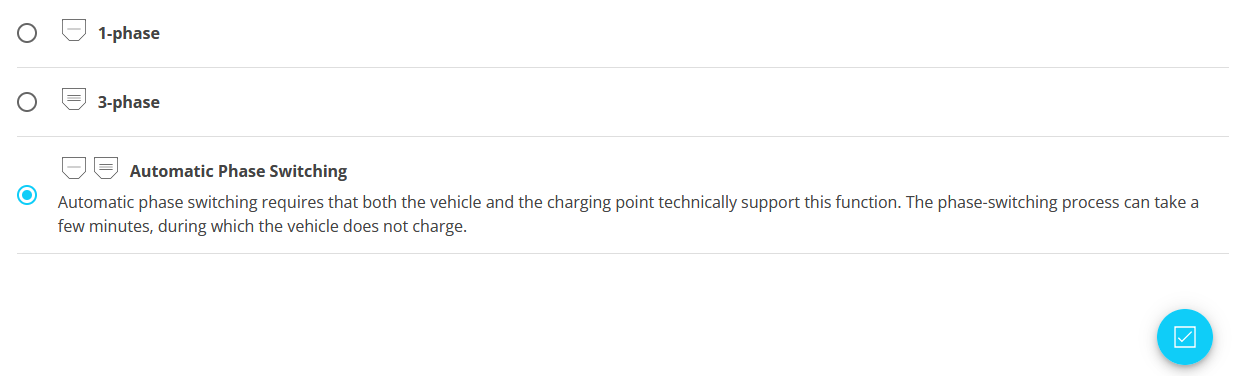
The phases are automatically switched based on the charging power. This allows even a small amount of excess PV power to be utilized.
|
|
8. Communication failure between KEBA P40/P40 Pro and FEMS
Article updated: 24/09/2026
|
Currently, the log partition of the KEBA P40/P40 Pro may reach its capacity limit, which requires the wallbox to be restarted. This applies in particular to systems in which the electric vehicle remains plugged in for an extended period and charging is paused, for example in OFF mode or PV Surplus mode when no PV surplus is currently available. KEBA and FENECON are currently working on a solution to the issue. We apologize for any inconvenience this may have caused. |
|
Until KEBA provides a fix, only operating modes that guarantee a charge or a minimum charging current should be used. Operating modes that may pause charging for an extended period while the vehicle is connected should be avoided. |
8.1. Fault pattern
-
Error message: Modbus Communication Failed.
-
The wallbox no longer responds to control commands.
-
Communication between FEMS and the wallbox is no longer possible.
-
A wallbox restart may only partially resolve the issue, and even then only temporarily.
-
In some cases, it is necessary to reset the wallbox to its factory settings.
8.2. Recommended interim solution
Until a compatible solution from KEBA and FENECON is available, we recommend configuring the following settings, depending on the version you have installed:
Set the Base Mode to PV Surplus with Guaranteed Charging or Fast Charging.
or:
If the mode is set to OFF or Manual, change it to Automatic with Guarantee Minimum Charging.
In both cases, the wallbox is prevented from operating at a charging current of 0 A for an extended period of time.
8.3. Restarting the wallbox
To restart the KEBA P40/P40 Pro, follow these steps:
-
Stop the current charging process.
-
Disconnect the vehicle from the wallbox.
-
De-energize the KEBA P40/P40 Pro using the MCB or upstream main switch.
-
Please wait 30 seconds.
-
Turn the power back on.
This will restart the wallbox.